Wildlife Tourism: How To Help End Animal Abuse in Tourism

Wildlife tourism is a huge problem. We all know examples like shooting wildlife as a prize during a safari in Africa, riding elephants in Southeast Asia, and bullfighting in Spain. But that’s just the tip of the iceberg.
As a traveling family we’ve seen a lot of animal abuse in the tourism industry. And unfortunately we’ve engaged in activities involving animal exploitation ourselves more than once.
Fortunately we’ve learned a lot over the years and we avoid most activities involving animals and do research before booking anything.
Animal exploitation in tourism takes many forms, and none of them benefit the animals involved. Knowing how to spot an unethical activity, and what we can all do to help stop it, makes all the difference for the animals caught in the middle.

No time to read?
Save on Pinterest and read this article later!

Why Avoid Most Animal Tourism
Wildlife tourism, or animal tourism, is any travel experience built around seeing, touching, or interacting with animals. Whether that’s a safari, a marine park show, a “sanctuary” visit, or a quick photo with a chained monkey in a market square. It sounds simple, but it isn’t.
The truth is that most animal tourism isn’t built with the animal in mind. It’s built with your wallet in mind.
That doesn’t mean every experience involving animals is bad. Watching elephants from a safari vehicle, keeping your distance, isn’t the same as riding one.
The difference always comes down to one question: does the animal have a choice?
Wild animals don’t choose to carry tourists, perform tricks, or let strangers pet them. They’re trained into it, and that training is rarely gentle.
So before you book anything with an animal attached to it, ask yourself if the animal would still be doing this if there weren’t tourists paying for it.
If the honest answer is no, skip it.
Why Is Animal Abuse in Tourism a Big Problem?
Animal abuse in the tourism industry is a huge problem due to lots of factors. Let’s point out some of the biggest issues.
Trainers often subject animals to cruel training methods to make them perform tricks or behave unnaturally, leading to physical and psychological harm.
Another problem is that many zoos, marine parks and wildlife “sanctuaries” keep animals in poor conditions, causing immense stress.
Operators also capture, overwork and kill animals to entertain tourists. They kill some to turn into souvenirs, capture others to perform, and overwork the rest to make as much money a day as possible.
Poachers capture young animals, often killing one or both parents in the process. This has pushed some species toward endangered status.
It’s pivotal for them to capture the youngsters instead of adults., because they’re easier to break mentally. Trainers need to break them mentally, otherwise wild animals will never willingly perform tricks or let humans into their comfort zone.
Animals used in tourist attractions are almost never participating willingly.
What Are Examples of Animal Cruelty in Entertainment?
There are many examples of unethical animal tourism. If you sign up for tourist attractions that enable you to ride or touch wildlife you’re contributing to animal cruelty. That sounds harsh, but it’s the truth.
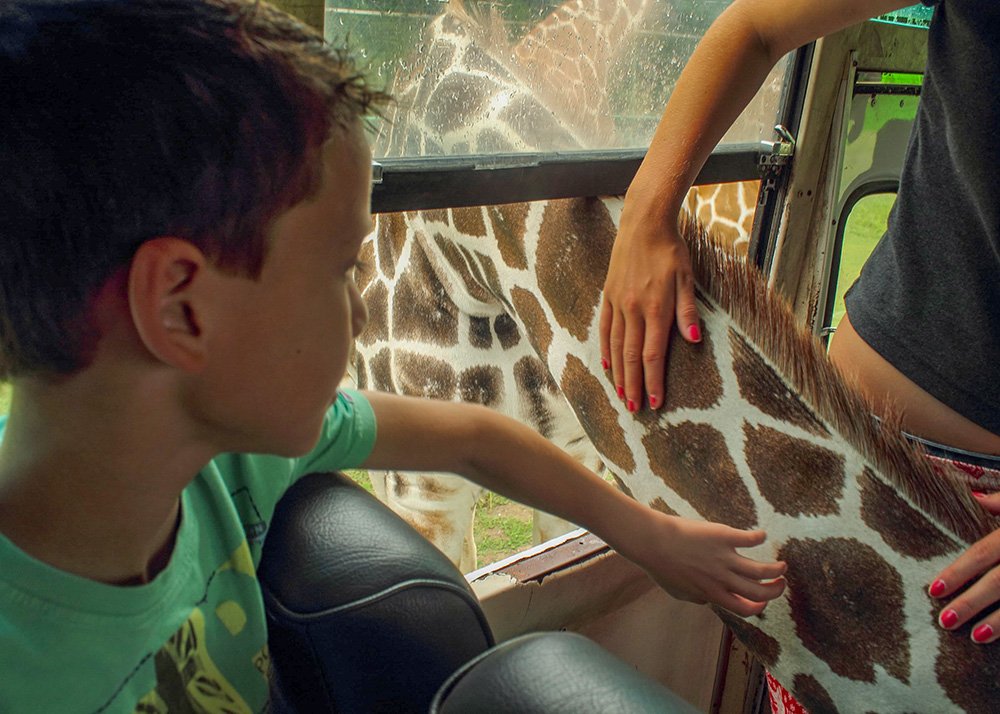
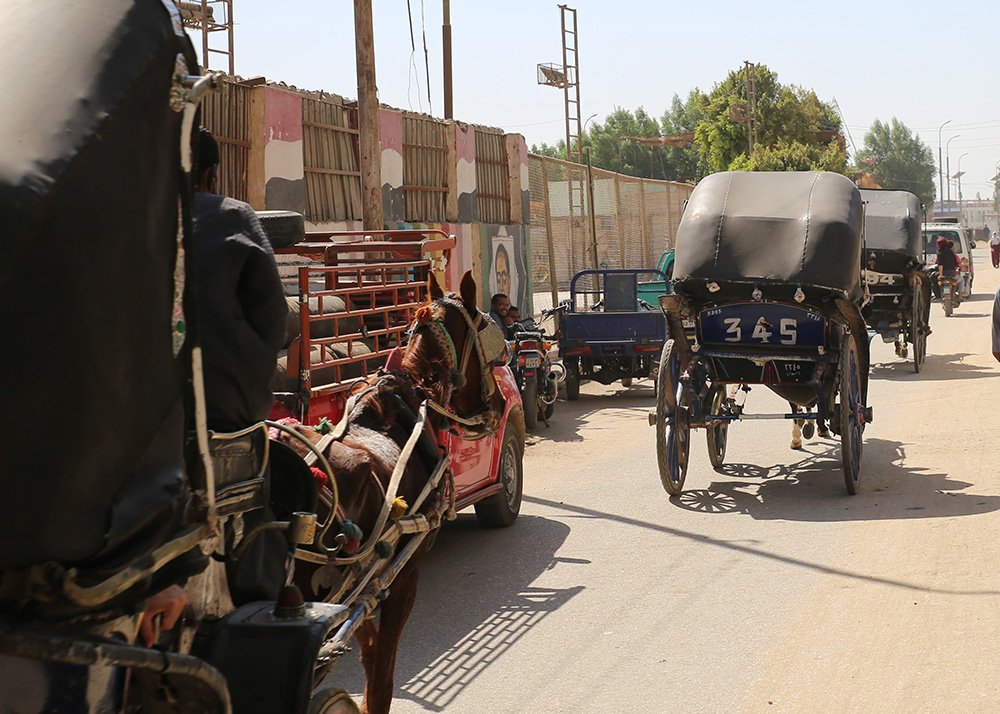
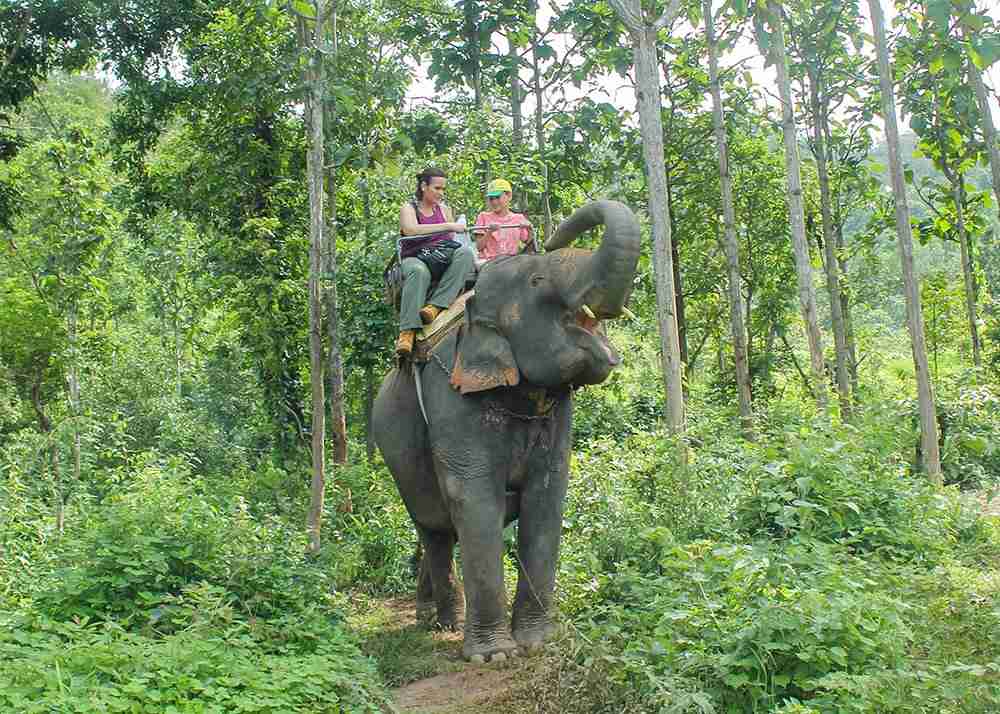
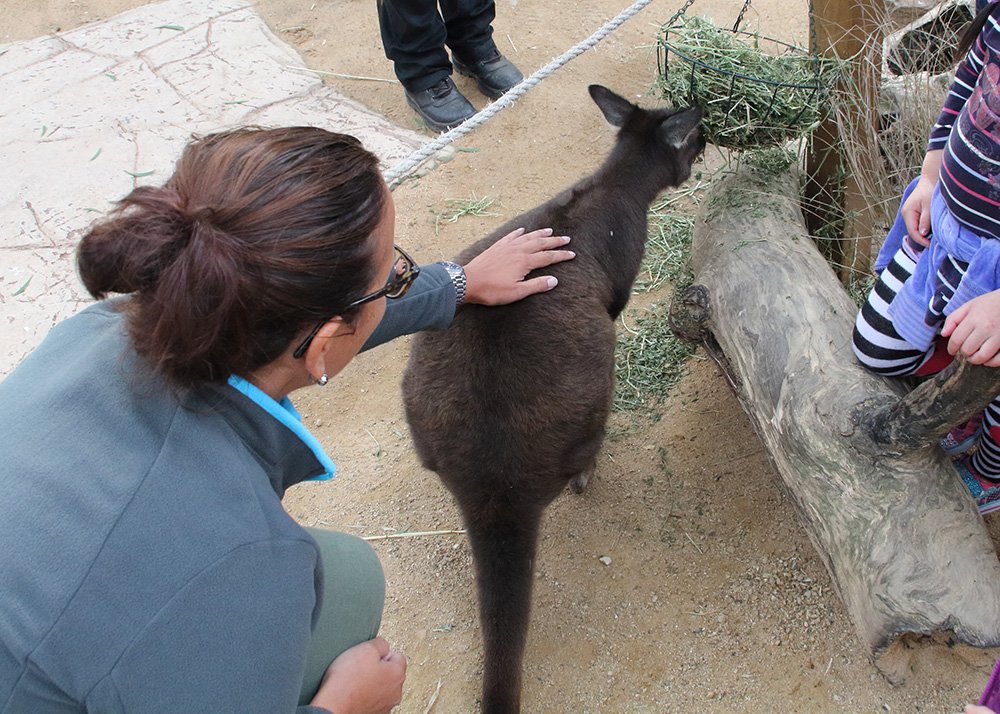
In the pics in this article you see members of our family causing harm to animals. This was before we started researching animals in tourism back in 2016.
I don’t like sharing what we did, but I think it’s important to show that we’ve made more than one mistake when it comes to animal tourism, but we also learn new things every day.
The point is that we do better and stop visiting tourist attractions that are harmful to animals. And as a family travel blogger I feel that it’s my responsibility to create awareness with posts like this. Even if it takes posting cringy photos of ourselves causing harm.
So let’s dive into some of the most common don’ts.
1. Riding Animals
Some examples are riding elephants, but other examples are short camel, donkey or horse rides at a tourist attraction.

There’s a difference between a bedouin riding a camel in the desert or Mongolian Nomads using horses for travel, herding and hunting and a tourist riding a camel or horse for about an hour for our entertainment.
These animals work from 9 to 5, sometimes in extreme heat and a load too heavy for them. In addition to that they have to walk the same short and boring route every time.
They can’t protest. If they don’t walk, the trainers punish them by whipping and poking them. Leaving the animal with no choice, but to keep walking.
2. Touching, Bathing & Feeding Wildlife
There are many animal attractions involving touching, bathing or feeding wildlife.
We’ve seen it at the Wildlife Zoo in Sydney. Where people get a chance to pet wallabies, quokkas, snakes and other animals as part of an educational program.
Unfortunately we participated in it, thinking the staff wouldn’t allow it if it’s bad for the animals. But when the quokka started moving uncomfortably in the staff members arms as soon as I touched it, I was doubting the whole situation. And after some research, it turns out I was right.
So even zoos with a great reputation put animals in unnatural situations.
There are also lots of places where you can pet lion, leopard or tiger cubs. Or take a selfie with a grown tiger. One famous example is the Tiger Temple in Thailand where staff drug adult cats to keep them calm and all the people safe.
Another place where you get up close and personal with animals is at wildlife sanctuaries. You’ll find them all over the world.
A famous example are the numerous elephant sanctuaries in Thailand and other Southeast Asian countries.
The industry leads us to believe that elephants are very fond of people and therefore enjoy spending time with us, letting us feed them, bathe them and touch them.
Imagine people doing all of these things to you. Have multiple people a day feed you and touch you. Or picture different groups of people bathing you the entire day. Not really a picnic, right?

3. Swimming With Sea Life
The 3rd example is swimming with sea life. Gladly there are lots of ways to ethically dive or snorkel with sea life. As long as you don’t touch and grab fish, mammals and coral on your dive or snorkel or get so close that you’re disrupting them, you’re fine! But there are exceptions to these simple rules.
When joining a tour to spot dolphins, whales, sharks and turtles you should make sure that you’re picking an ethical option.
Ethical Sea Life Tours – No Feeding or Following Wildlife
Our family wanted to swim with whale sharks in Ningaloo Reef (Western Australia). But we didn’t want to join a tour where operators lured the sharks to us by feeding them. And we also didn’t want a handful of boats getting in their way, with dozens of us circling around them at the same time.
There were 2 steps we took before picking a company doing it in an eco friendly and sustainable way.
Step 1: Check Their Accreditations
Before booking a tour we checked a few websites of tour companies to see if they’re a Sustainable Tourism and EcoStar accredited business. We then learned that a few of them are accredited and have partnerships with the Coral Bay Conservation Group and Parks and Wildlife Service. We picked 2 companies and took step 2.
Step 2: Check Reviews
We checked TripAdvisor reviews of the 2 companies we were eyeing and chose Coral Bay Ecotours and highly recommend them.
They have small boats and thus small groups. A handful of people go into the water to swim with the whale sharks to make sure we don’t make the sharks uncomfortable. So you take turns in the water. And when the whale decides to leave we can’t follow them, nor will the boat.
Nobody fed the animals to lure them our way. A helicopter searched for them and lets the captain know where to go. Staff didn’t allow touching and made sure we all kept our distance.
These are the measures you should look for when booking any kind of sea life tour.
What goes for whale sharks, goes for other sea animals as well. Do your research before booking shark, whale, turtle, stingray or any other sea safari tours.

4. Circuses Involving Animals
I was born at a time when the highlight of a circus were the animals. Lions performing tricks, monkeys dressed up as clowns and horses running around looking like a lit up Christmas tree.
Fortunately times have changed. In The Netherlands, where we live, we banned the use of all animals in circuses. Many other countries or states within countries have also banned the use of wild animals in circuses.
But there are still lots of countries where people can use wild animals in a circus.
If the circus is in town, or you run into a circus while traveling, the poster is your first hint. If you see wild animals on the poster, you know you should avoid a visit.
But in countries where people have mixed feelings about the use of wild animals in a circus, the circus often opts out of adding animals on the poster. Selling tickets is their main focus, so if it’s not in their benefit to promote circus animals, they won’t.
Most circuses have websites where you can check for pictures of animals. Or you can go to the ticket booth and ask the staff or other visitors you spot on site.
Wondering why you should avoid visiting a circus featuring wild animals? Here are the top reasons:
- There’s no educational value to it. The only thing we’ll teach our children when watching circus animals is that we should dominate and disrespect animals
- Training techniques include trainers beating, whipping, shocking and attacking animals with bullhooks
- When traveling from town to town trainers keep animals in small containers. Often with little ventilation and for a long period of time
- On site trainers keep them in small enclosures and deprive them of movement, leading to obesity, diseases, depression and loneliness
- For the safety of the staff and the visitors it’s important for even the fiercest of animals, like lions and tigers, to be fearful of their trainers. They break their spirits, declaw them, drug them and sometimes remove their teeth
5. Buying Animal Souvenirs
We all love to keep the travel memories alive. One of the ways to do that is by buying souvenirs. Unfortunately you can buy a lot of animal products and souvenirs made from animals.
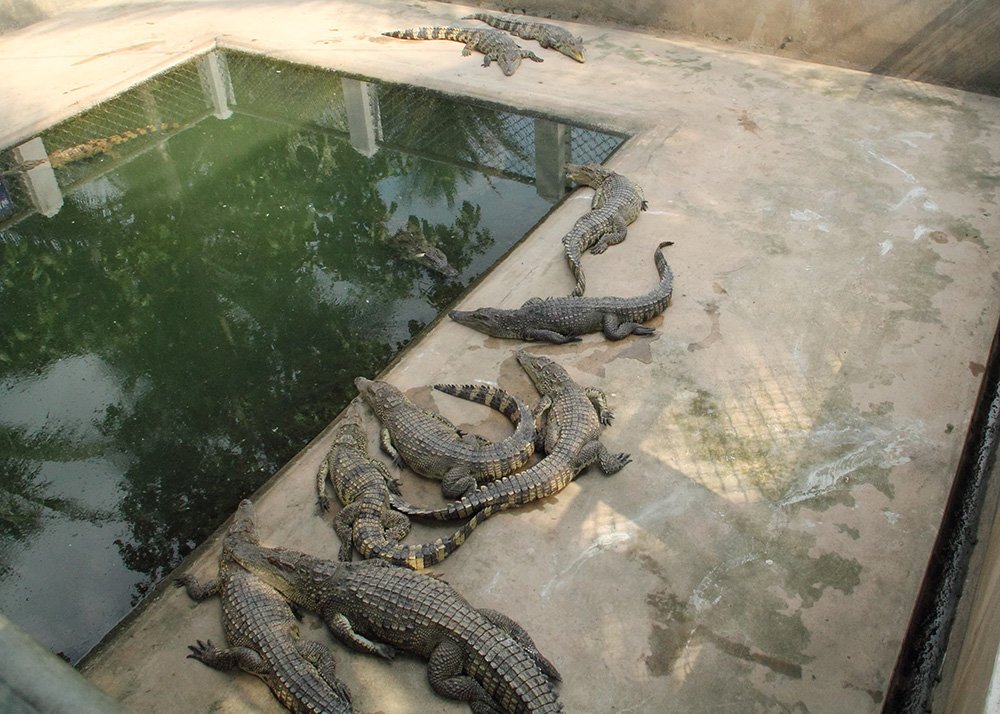
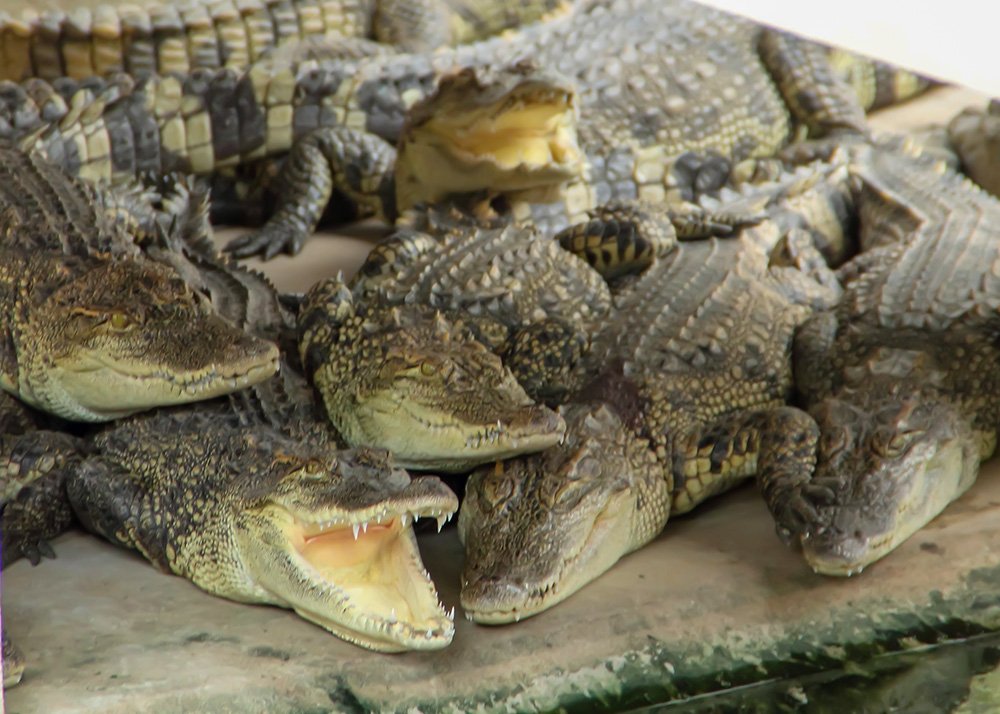
When buying animal products you might be contributing to endangered animals, sellers kill them so you can have a nice memento of your trip.
So don’t visit crocodile farms and buy a nice leather purse. And don’t buy (or pick) coral and sea shells.
Leave everything containing ivory on the shelf and don’t get those little bottles of liquor with a tiny snake or scorpion in it.

The Truth About Sanctuaries
Let’s circle back a bit to the wildlife sanctuaries I wrote about earlier in the article. Because I’ve got a lot to say about it.
A decade ago, people finally recognized elephant riding as animal cruelty around the world. Everyone offering rides had to stop, because of laws protecting the elephants or lack of clients.
Unfortunately a lot of these businesses changed their tune and started elephant sanctuaries. Their story is that they saved the elephants from the tourism industry, and it’s their mission to take care of the elephants, since they won’t survive in the wild.
While some elephant sanctuaries are exactly that. A lot of them are definitely not. It’s basically greenwashing.
Because, while they stopped the riding part, most of them still offer tourists a chance to touch, bathe and feed elephants. If you can do anything else at these sanctuaries besides looking at elephants from a distance, know that it isn’t a sanctuary, but you fell into a tourist trap.
No real sanctuary will allow tourists to touch, feed or bathe them. Because animals don’t like that. They are wild animals.
So please, if you are interested in checking out elephants, do so on a safari where you’ll spot them from afar and where the rules keep you from getting close.
Experience From a Former Elephant Sanctuary Volunteer
A former sanctuary volunteer wrote an article I highly recommend if you want to know more about how these so-called sanctuaries work.
He started working in a sanctuary in Thailand in hopes of doing good for the elephants, but what he saw behind the scenes was shocking.
I already mentioned the fact that there are many animal sanctuaries in Thailand. Just to show you how bad the greenwashing is: at the time of writing (2026) there are no GFAS approved sanctuaries in Thailand. In fact you’ll find only 2 GFAS approved sanctuaries in Asia. One in Vietnam and one in China. So don’t fall for the lies sanctuaries sell.

Animal Welfare
Real animal welfare isn’t about good marketing. It’s about what the animal actually experiences behind the scenes, and that’s exactly what most tourist attractions don’t want you to look at.
Here’s a simple test we use: if an activity requires an animal to do something it wouldn’t choose to do on its own, like carrying you, performing a trick, or letting a stranger touch it, the animal’s welfare is already lost in favor of your entertainment. No amount of “educational” framing changes that.
If you want a shortcut that actually works, look for accreditation instead of adjectives. Words like sanctuary, rescue, and eco cost nothing to slap on a sign.
Real welfare standards cost the operator money and effort to earn, which is exactly why so few bother.
Here are a few accreditation bodies worth checking for:
- GFAS (Global Federation of Animal Sanctuaries)
- GSTC (Global Sustainable Tourism Council)
- ABTA’s Global Welfare Guidance
- AZA, BIAZA or WAZA accreditation (for zoos and aquariums specifically)
None of these are perfect, and accreditation alone doesn’t guarantee everything is fine. But an operator that’s earned one of these has at least opened itself up to outside scrutiny, which is more than most “sanctuaries” ever do.
And if you ever want a fast way to tell something’s off, watch the animal.
Real welfare looks boring. The animal ignores you, moves at its own pace, and shows no interest in performing. If it’s doing something for your camera, ask yourself why.
And if it does ignore you, and seems sleepy or out of it. Chances are that it’s being drugged.
How to Help Stop Animal Abuse in Tourism
When planning your trip and seeking out tours there are some steps you should take if you want to find out about the welfare of animals involved in the activity.
Step 1: Google for Information
Searching for ethical animal experiences is not easy. You probably have some questions. The first step is to use Google to get some answers.
We googled things like: “Is it cruel to ride camels?”, “Is bathing elephants harmful to them?”, “How do snake charmers keep the snakes calm?”.
You don’t need more than 5 minutes to come to a conclusion.
Step 2: Check Wildlife Organizations
Visit the website of organizations that are on a mission to protect animals. Here are some examples:
- Wild Welfare
- World Animal Protection
- IFAW (International Fund for Animal Welfare)
- Born Free
- Four Paws

Step 3: Check Reviews
If you think you found one or more tours that seem ethical, go to TripAdvisor and read the latest reviews.
It might be that the info on the website of the wildlife organizations isn’t as up to date as you’d think. Checking the reviews will give you the latest intel.
Be Sure to Check the Highest Ratings
Quick tip, especially when there aren’t a lot of reviews, don’t select bad reviews only. Scroll through them all.
Some people might not be aware that an activity they’ve done is harmful to animals.
They’ll give 4 or 5 stars, because they had fun.
But you can definitely read between the lines. Things like: “the animals were not very active and looked tired”, or “their enclosure seemed a bit small, but all in all we loved the experience”. Skip the lowest ratings only and you’ll find how much valuable info you get from satisfied customers.
Step 4: Book Your Tour
You’ve done all the research and you’re ready to book the tour. Enjoy!
Step 5: Help Create Awareness and Report Abuse
Share your experiences with other travelers to create awareness. And if you happen to run into unethical animal tourism, write a review on TripAdvisor to warn others.
And you can also report animal abuse on the sites of Wild Welfare and Born Free, for example.


Tips When Booking a (Multi)Day Tour
When booking a (multi) tour to check out some places in the area of where you’re staying it’s a good thing to check the reviews as well.
You might think that booking a tour to a Nubian Village in Aswan (Egypt) or a jeep safari in Wadi Rum (Jordan) or Merzouga (Morocco) has nothing to do with animals, but you would be mistaken.
A tour to a Nubian Village could involve checking out the houses of Nubians. They rely on a small tip they’ll get for opening their household to tourists.
And to get you more excited they keep Nile crocodiles as pets. An ancient tradition, that wasn’t really a thing anymore, until the tourists started flocking to the Nubian Villages. Now they’re back in the house to make an extra buck.
And often jeep safaris in the desert involves a nice tea break halfway into the tour.
Camels wait in the heat, tied to each other, while handlers force them to walk around with tourists on their backs for about 10 minutes and get a short break in the heat until the next batch of tourists arrive.
I fell for a camel ride back in 2008 when I was in Jordan’s Wadi Rum desert. The camels were all really aggressive and agitated. Mine tried to bite me in my foot. The handler responded by poking the camel with a bullhook.
I instantly regretted what I had done and felt so sorry for the camels. But I had to see it through, because I had to stay with the rest of the group and get back to our resting area safely. Hopping off was not an option.
These are just some examples, so whenever booking a tour with multiple stops, check the reviews. We avoided lots of tours involving animal cruelty, by always checking the reviews.
Like a tour of lake Tonlé Sap (Cambodia) that stops at a crocodile farm selling items made from crocodile leather.
Or a guided city tour in Marrakech that includes a stroll at market Jemaa el-Fnaa, leading you to “a friend” with a dressed up and chained monkey who you can take a selfie with.
Ethical Ecotourism
Not every animal encounter is a bad one. Once you know what to look for, there are genuinely good options out there, and they’re worth seeking out. Ethical animal tourism is definitely possible.
We swam with wild whale sharks off Ningaloo Reef in Western Australia, watched wild elephants from a safe distance in Yala National Park in Sri Lanka, and spotted dolphins from a boat off the coast in Portugal that never once got close enough to disturb them.
None of it involved touching, riding, or feeding anything. All of it was unforgettable for the right reasons.
Here’s what good ecotourism actually looks like: you watch, you don’t interact. The animal sets the distance, not you.
Guides know the local wildlife well enough to read its behavior and back off the moment it shows any sign of stress. And the money you spend goes toward conservation or the local community, not just a ticket booth.
A few signs you’re looking at the real thing:
- The operator has accreditation from a body like GFAS or GSTC, and can show it
- Guides talk about the animal’s biology and conservation status, not just where to get the best photo
- There’s a strict limit on group size and time spent with the animal
- Nobody baits, feeds, or calls the animal over to you
- You leave without having touched a single thing
If a tour promises you’ll definitely see the animal up close, be skeptical.
Wild animals don’t work on a schedule, and any operator that guarantees an encounter is usually forcing one.
Ecotourism done right doesn’t feel like a show. It feels like you got to be a quiet guest in someone else’s home. That’s the whole point.
FAQ
No time to read this post? Save this post for later and check out the answers to the most important and frequently asked questions below.
What Is Animal Tourism?
Animal tourism, or wildlife tourism, is a type of travel experience where tourists interact with animals in various ways, whether by visiting them in sanctuaries, watching them perform, or riding them. It can include everything from elephant rides in Asia to dolphin shows, or even visiting petting zoos.
Why Is Animal Abuse a Problem in Tourism?
Animal abuse in tourism is a huge issue because many of the popular activities that attract tourists involve mistreatment, overwork, or inadequate living conditions for animals. Operators take many animals from their natural habitats or breed them in captivity, only to use them for profit without their well-being in mind.
How Are Animals Affected by Tourism?
Tourism affects animals in various negative ways, including stress, physical harm, and the loss of their natural behaviors. Operators take wild animals from their habitats and force them into unnatural environments, which can be incredibly stressful and lead to long-term health issues.
Constant interaction with humans, including being touched, ridden, or photographed, can cause anxiety. Facilities often keep captive animals in enclosures that don’t match their needs, deny them companionship, and expose them to loud crowds, all of which take a serious toll on their physical and emotional well-being.
How Can You Tell If a Wildlife Attraction Is Unethical?
Several signs can help you identify an unethical wildlife attraction. If the operator lets tourists touch, ride, or feed the animals, or makes them perform tricks they wouldn’t do in the wild, it’s likely putting profit ahead of welfare.
Other red flags include cramped or barren enclosures, guides who can’t answer basic questions about the animal’s natural behavior, and any place that guarantees a close encounter, since nobody can promise a genuine wildlife sighting.
Why Is Riding Animals Not Considered Animal Cruelty?
People often mistake riding animals for harmless fun because, on the surface, the animals appear to just be carrying people around, much like horses do in many parts of the world. But the truth behind many animal riding experiences looks quite different.
Trainers often subject elephants, camels, and donkeys to harsh methods to force obedience, and operators frequently overwork them, making them carry people for hours under the hot sun with little rest, food, or water. In many cases, profit comes before the animals’ needs and welfare. So it is definitely considered animal cruelty.
What Are the Ethical Considerations in Wildlife Tourism and Interaction With Wild Animals?
Ethical wildlife tourism means putting the well-being of animals before profit and making sure operators aren’t exploiting them. Interacting with wild animals can feel like a rare and special experience, but it’s worth asking: are these animals living in conditions similar to their natural habitat? Are they behaving naturally, or has someone forced them into uncomfortable situations to entertain tourists?
Activities that involve feeding, petting, or riding can cause stress, disrupt natural behaviors, and put an animal’s health at risk. Ethical tourism respects animals as sentient beings rather than props for human enjoyment, and supports practices that protect and preserve their natural lives.
Does Elephant Riding in Thailand Hurt the Elephant?
Yes, elephant riding in general hurts elephants, both physically and emotionally. To make elephants compliant for riding, trainers often use a brutal process called the crush, separating young elephants from their mothers and using pain and fear to break their spirits.
Even after training, the weight of tourists and the repeated pressure on their spine can cause significant harm to their bodies.
Does Riding Camels Hurt Them?
Camels are sturdy animals built for desert environments, and their physiology can handle carrying some weight. Problems arise when operators overwork, underfeed, or subject them to harsh conditions without proper rest and care.
Many tourist operations focus solely on profit, which means camels may end up carrying tourists all day without enough food or water, leading to exhaustion and suffering.
How to Travel More Sustainably
Wildlife encounters can be a beautiful part of travel, but only when it puts the animal first.
From elephant rides to roadside crocodile farms, we’ve covered why so many popular attractions come at a real cost to the animals involved, and what you can actually do about it: research before you book, check accreditation, read the reviews closely, and choose sanctuaries and tours that let animals just be animals.
Ethical travel doesn’t stop at wildlife. There are more ethical issues in the tourism industry.
If you want to keep building on habits that are better for the planet and the people and animals who share it, there’s more you can do beyond avoiding animal exploitation.
That’s exactly why I put together a free pocket guide with tips and ideas to travel greener and more local-friendly. It covers things like offsetting your carbon footprint, supporting local businesses, cutting back on single-use plastics, and yes, avoiding animal exploitation too.
Did you enjoy finding out how you can help stop animal abuse in the tourism industry?
If so, read more family travel tips:
- How To Plan A Family Road Trip
- Family Travel Insurance: What It Covers & Why It’s a Must
- Traveling with medication that falls under the Opium Act
- Wildlife Tourism: How To Help End Animal Abuse in Tourism
- Why Your Family Needs an eSIM for Travel: Is an eSIM Worth It?
- The Art of Balancing: Why I Travel Solo Once a Year
Pin for Later