39 Iceland Fun Facts for Kids

When planning a family trip to Iceland it’s nice for the family to get to know the country a bit better. This helps get everyone excited about the trip and your kids might feel more involved in the process.
That’s why I share 39 Iceland fun facts for kids our family learned about leading up to and during our visits to Iceland. Parents might also be interested in some of these fun facts about Iceland.
Having visited Iceland a few times, our family learned quite a lot from doing our own research, learning from guides and talking to locals.
For example, did you know that Iceland has more sheep than people? And that Icelanders are crazy about hot dogs? Find out more about these facts and all the other Iceland fun facts by reading this post or saving it for later.
No time to read?
Save on Pinterest and read this article later!
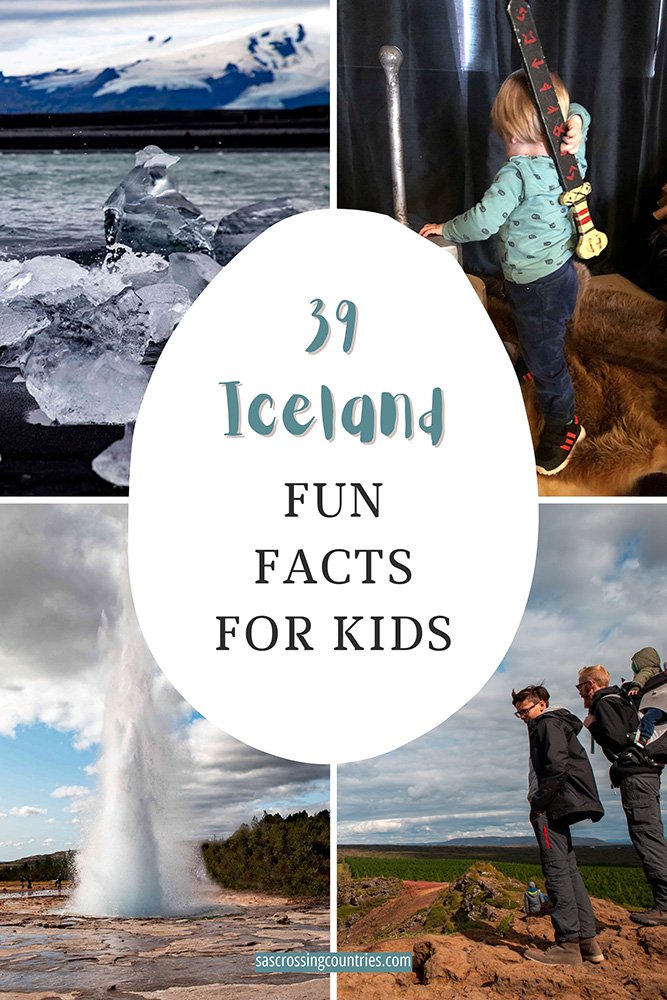
Iceland fun facts for kids
In this list you’ll find facts about the people, the animals, its nature and of course geography and climate of Iceland. There’s something for everyone in the family to enjoy and learn.
1. Where is Iceland located
Iceland is a small state located northwest of the UK, between the North Atlantic Ocean and the Greenland Sea.
It’s actually closer to the Arctic Circle than you might think! With its position far up in the northern hemisphere, Iceland’s unique geography means it’s a land filled with glaciers, volcanoes, and some of the most dramatic natural landscapes in the world.
Despite its name, Iceland isn’t completely covered in ice. In fact, it has a surprisingly mild climate, thanks to the warming effects of the Gulf Stream.
2. Why is Iceland famous?
Iceland is one of the most beautiful countries in the world, and it has become increasingly popular as a tourist destination due to its unique landscapes. You can explore glaciers, volcanoes, geothermal hot springs, and beautiful waterfalls. And from late August to early April you get a chance to spot the Northern lights.
You can also enjoy whale watching, horse riding, snowmobiling, skiing, snowshoeing, hiking and more.

3. Iceland has more sheep than people
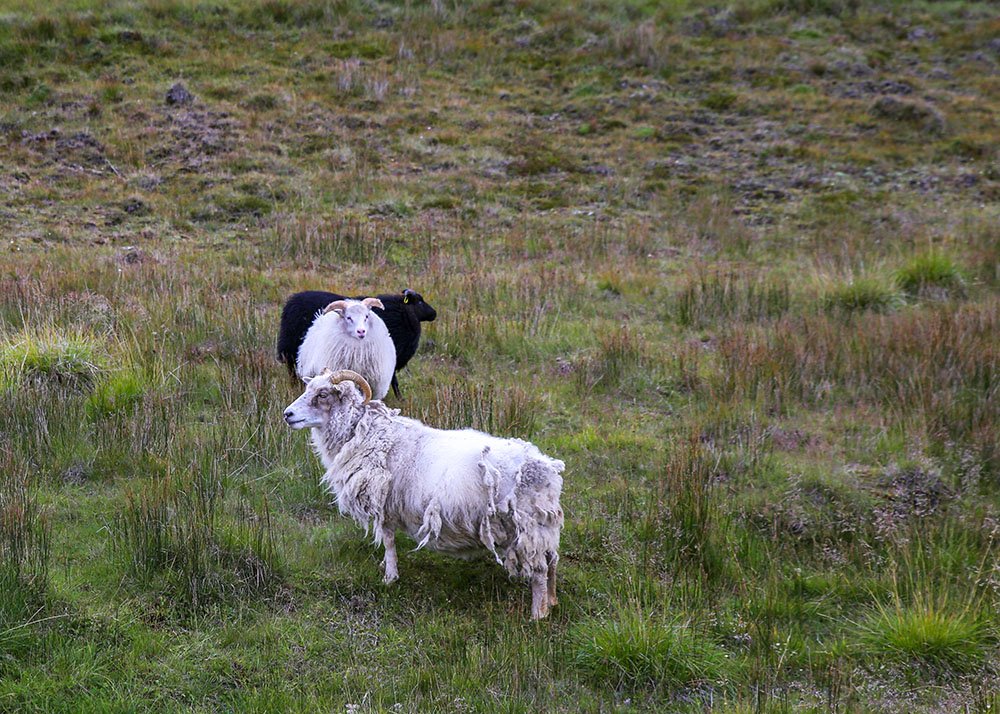
Did you know that in Iceland, there are more sheep than people? Iceland has a population of about 380,000 people, but there are over 800,000 sheep!
These fluffy friends roam all over the countryside during the summer. They get to enjoy fresh grass and wide-open fields, and farmers gather them up in the fall.
Icelandic sheep are known for their super-warm wool, which has been used for centuries to make cozy sweaters called “lopapeysa.”
So, when you’re in Iceland, you might spot a lot more sheep than humans. Baaa-rilliant, right?
4. Iceland’s economy is thriving
Iceland has a thriving economy with a strong focus on sustainable industries such as tourism, fishing, and renewable energy.
In fact, Iceland’s economy is powered by fish and energy.
Fishing is one of the biggest industries in Iceland, and it has been for centuries! They catch tons of cod, haddock, and other fish that are shipped all around the world.
But it’s not just about fish. Another cool thing is that almost all the energy in Iceland comes from renewable sources like geothermal and hydropower.
This means Iceland uses its volcanoes and waterfalls to make electricity! Imagine using hot lava to power your lights. Pretty awesome, right?
5. Iceland’s flag represents natural elements
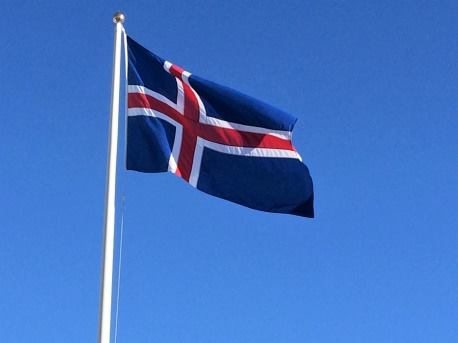
Iceland’s flag is a great reminder of its wild landscapes!
The blue stands for the ocean; the white cross symbolises all the ice and snow, and the red shows off the country’s fiery volcanoes.
The flag basically represents Iceland in a nutshell, where fire, ice, and sea come together in one amazing place!
6. Icelandic horses are the only breed in Iceland
The Icelandic Horse is loved so much that no other breed is allowed in Iceland. And once an Icelandic horse leaves the country, it can never return!
Plus, they’re super friendly, you might even get a horse hug if you visit!
Icelandic horses are known for their unique gait. This tölt makes it easy to travel long distances without becoming tired. The ride is super-smooth, almost like you’re gliding.
Icelanders highly value the breed, and around 80,000 registered horses are in the country.
7. Icelandic horses are small but mighty
Icelandic horses are small, because they’ve adapted to the island’s tough environment over centuries. Their compact size helps them handle the cold and rugged terrain.
Plus, no other horses have been allowed into Iceland since the 10th century, which means these little guys have stayed true to their Viking roots!
Don’t be fooled by their size, though. They’re super strong and sturdy and known for their unique “tölt” gait, making them one of the coolest (and cutest) horse breeds around.
8. What are Icelandic Vikings known for?
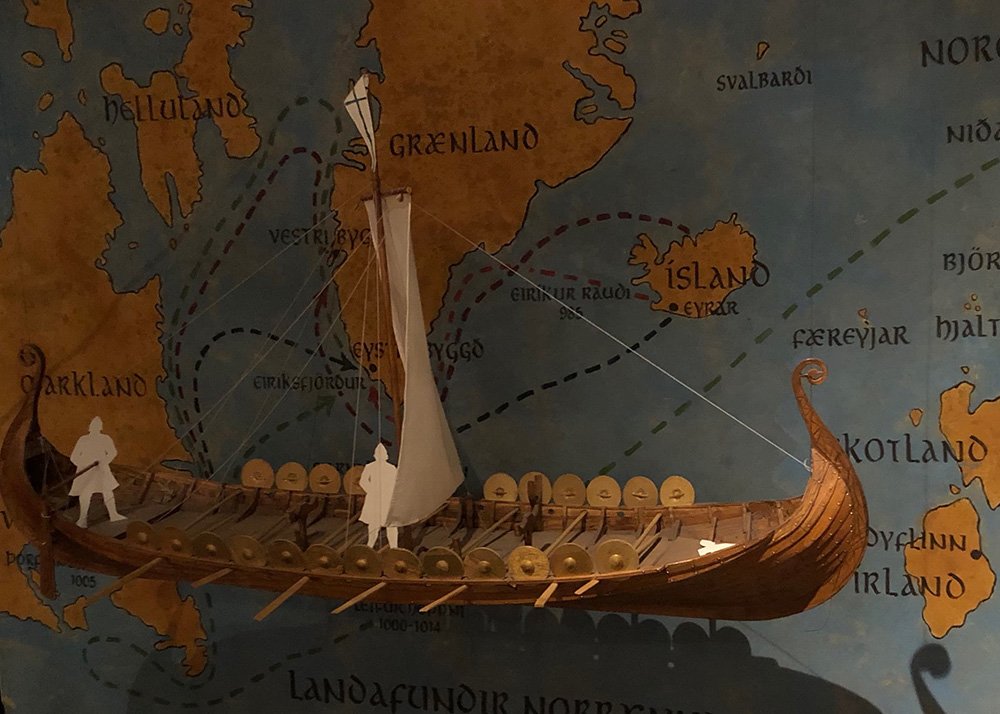
The Vikings who settled in Iceland over a thousand years ago were some of the greatest adventurers in history!
They sailed across the ocean in longships, exploring lands far and wide. These Icelandic Vikings weren’t just fierce warriors, they were also farmers, poets, and skilled craftsmen.
They wrote amazing stories called sagas about their adventures, which we still read today. Some of them even discovered Greenland and reached North America long before Christopher Columbus.
During the settlement there were some violent clashes with the native population, overall, the settlement had relatively low levels of violent crime.

9. Ragnar Lothbrok in Icelandic sagas
If you’re like us and your family loves the series Vikings, you might wonder if Ragnar and his crew ever visited Iceland. Ragnar Lothbrok is widely believed to have been a real person. So why not?
Although I should note that some historians believe he never existed at all.
The Norse leader was immortalised in Icelandic sagas of the 13th century, suggesting he might have set foot in Iceland. While it’s likely, no one can confirm if he set foot on Iceland.
10. The Blue Lagoon is a geothermal spa
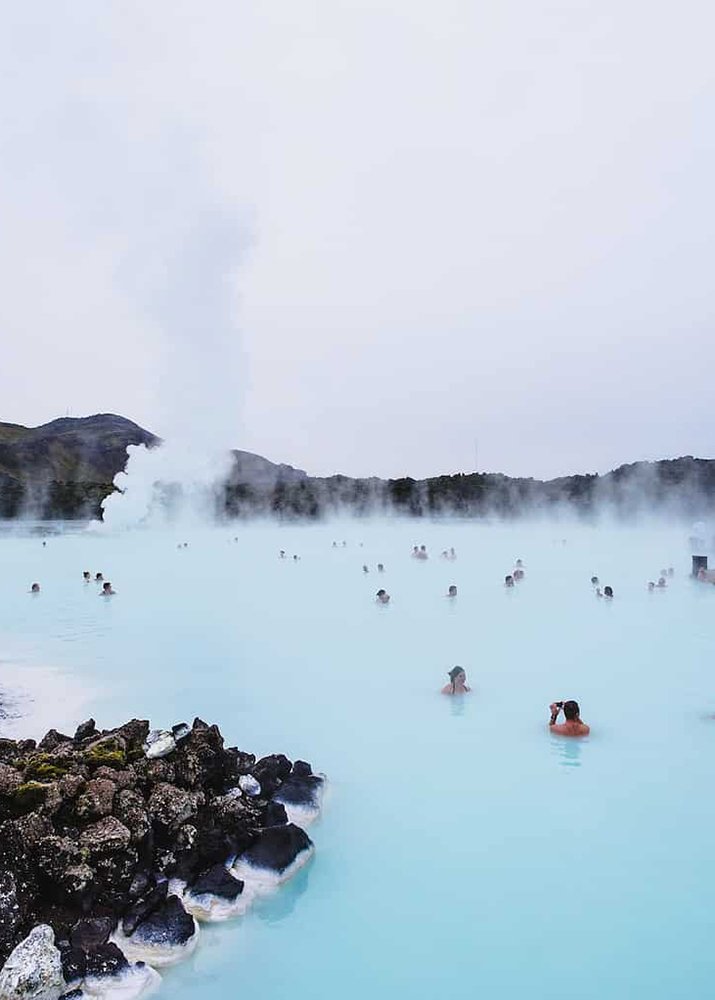
The Blue Lagoon in Iceland is a geothermal spa located just outside Reykjavik.
The Blue Lagoon’s waters are heated by geothermal energy, which keeps them at a lovely, warm temperature of around 37-40°C year-round. It’s like stepping into the perfect hot bath, no matter how chilly it might be outside!
This place is like no other, from the stunning geothermal pools to the magnificent views. The lagoon has a “lava field” around it, making it feel like you’ve stepped onto another planet.
The warm water in the lagoon comes from deep underground and is rich in minerals like silica and sulphur. Great for a relaxing dip with your loved ones. And the minerals supposedly have healing properties for the skin. Now, I don’t know about that, but we all loved how silky smooth our skins felt.
I have to say that holding our toddler was kinda weird, because I felt like he was a piece of soap that could just slip out of my hands any second. Those arm floaties sure came in handy!
The Blue Lagoon in Iceland is approximately 3 meters deep and is one of Iceland’s most famous attractions.
It’s easy to see why, because this otherworldly geothermal spa feels like something straight out of a fairytale.
A dip in the Blue Lagoon is an experience like no other! Quick tip: the Blue Lagoon is awesome, but also expensive. There are many other geothermal pools in Iceland. Some free.
If you want to get pampered, but pay a little less and avoid the crowds, visit Mývatn Nature Baths in (you guessed it) Mývatn. It’s a 6h drive from Reykjavik to Mývatn. Definitely worth it to add Mývatn to your Iceland family road trip itinerary.
11. Elves and Hidden People are a big deal
In Iceland, many people believe in elves and “hidden people” called Huldufólk.
These magical beings are said to live in the rocks and hills, and they even have their own tiny houses!
Sometimes, construction projects are changed to avoid disturbing elf homes. There are even special elf experts who are called in when roads are planned.
Kids and families can visit elf gardens or take an “elf walk” to learn all about Iceland’s mysterious inhabitants. Who knows, maybe you’ll spot an elf peeking out from behind a rock!
12. You can spot Northern Lights in Iceland
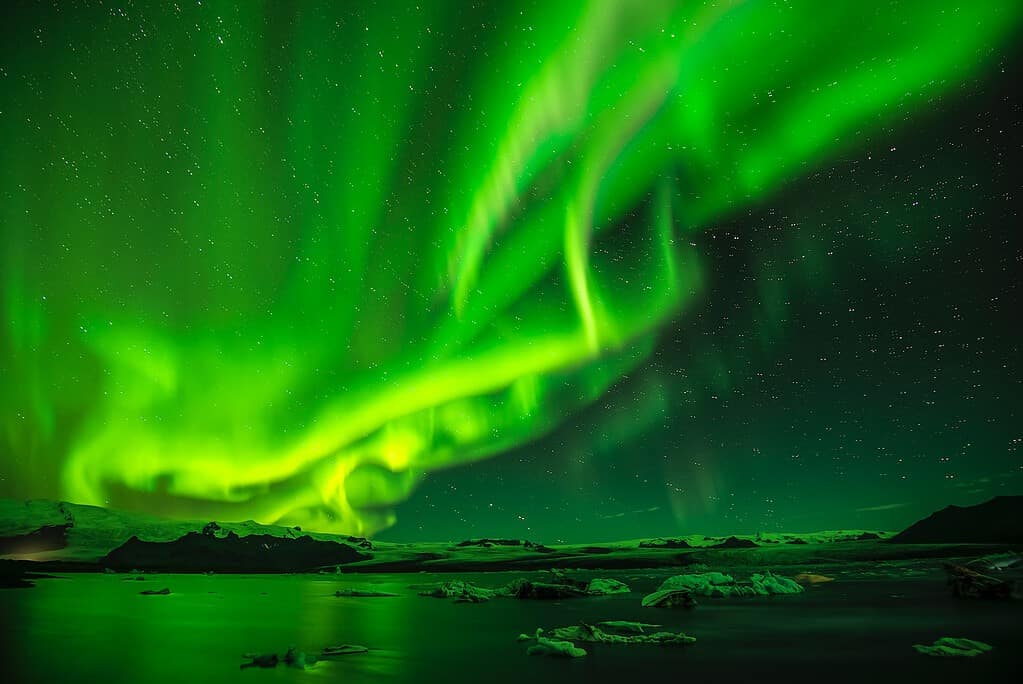
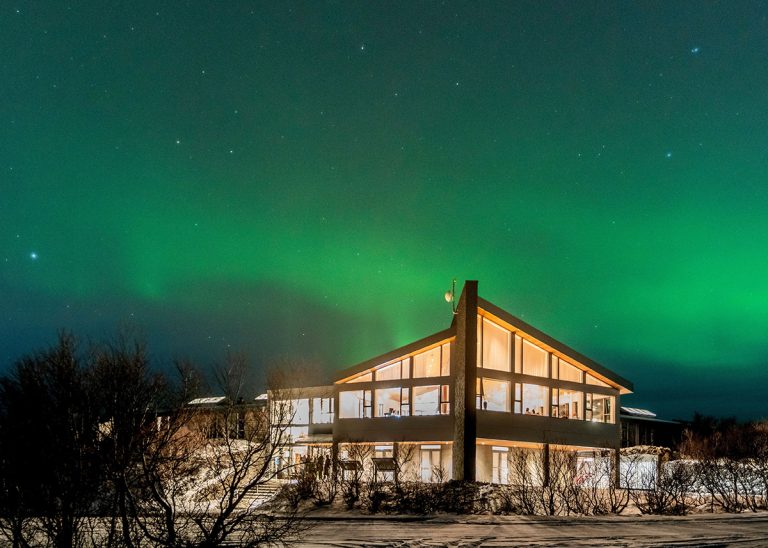
Iceland is one of the places where you can spot Northern Lights, or Aurora Borealis. Because of its location near the Arctic Circle, Iceland is one of the best places on Earth to witness the northern lights.
The best time to see Aurora Borealis in Iceland is November to February, but the entire Northern Lights season is from late August to early April. We saw them in Iceland in October, and it remains one of the most fond travel memories our family has.
13. Iceland is one of the most volcanically active places in the world
For a small island like Iceland it packs a mighty punch when it comes to geothermal power.
The country lies on the boundaries of two tectonic plates, the Eurasian and North American plates. This is what causes the active volcanoes in Iceland. The two plates collide, pushing the Earth’s crust upwards and creating volcanoes.
Iceland is one of the most volcanically active places in the world, which means it has a lot of volcanoes. About 130, in fact!
Some of these volcanoes are still active and erupt every now and then, making it feel like the ground is alive. Don’t worry, though, people are used to it, and it’s part of what makes Iceland so amazing!
There are even places where you can see bubbling lava fields and steam rising from the ground. It’s like walking on another planet, and some Icelanders even cook bread by burying it in the hot ground. How cool is that?
14. The last time a volcano erupted in Iceland is in 2024
Iceland is a land of fire and ice and has often been affected by volcanic eruptions in its history.
In fact, the last time a volcano erupted in Iceland was in August 2024! This most recent eruption began at Sundhnúksgígar, a row of craters in southwest Iceland. Soon after it began, the eruption slowed significantly, and since soon after, there has been no visible activity here.
Since 2021 all nine eruptions in Iceland took place on the Reykjanes Peninsula, near Reykjavik, Keflavik and Grindavik.
You might be wondering how safe it is to visit Iceland when these eruptions are taking place. Make sure you check the latest eruption information, before hopping on the plane.
15. Volcanic eruptions shape the landscape
This is the last of Iceland fun facts for kids about volcanoes. The island is a living testament to the Earth’s geothermal forces.
Iceland sits directly above the Mid-Atlantic rift. As the rift pulls apart the magna swells to the surface. This magma turns into lava, forming the base of the landscapes of Iceland.
The Westfjords were the first part of Iceland to form.
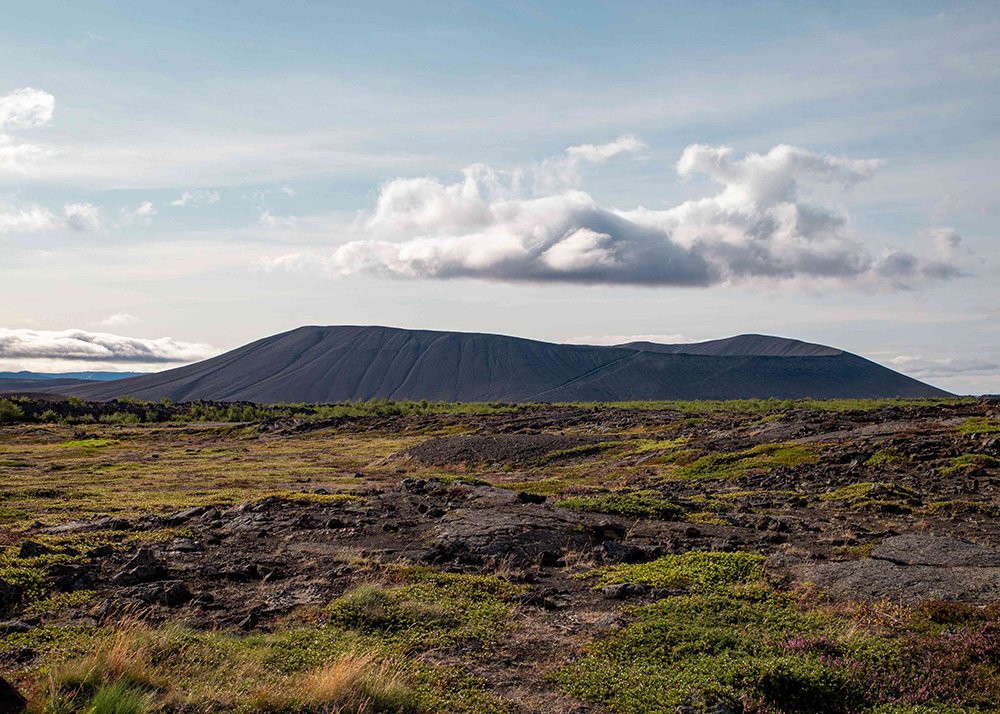
All over Iceland you’ll find black sand beaches, lava rocks, craters, and volcanoes. It’s a landscape unlike anywhere else.
16. Iceland has black sand beaches
Did you know that you can take a walk on beaches of black sand? It’s jet-black volcanic sand often with striking rock formations near the coast and powerful waves you should definitely steer clear from.
The most famous black sand beach is Reynisfjara, where you’ll not only get to see the black sand, but towering basalt columns that look like something from a fantasy film.
17. Game of Thrones was filmed in Iceland
If you’re a Game of Thrones fan, you’ll love Iceland because it was one of the main filming locations for the show’s icy landscapes!
Many scenes Beyond the Wall were filmed here, including Jon Snow’s adventures with the Wildlings and the Night’s Watch.
The magical Grjótagjá Cave was where Jon Snow and Ygritte shared a special moment, while Þingvellir National Park became the setting for the Bloody Gate to the Vale of Arryn.
The stunning Lake Mývatn area, full of lava fields and hot springs, was where the Wildlings camped, and the Vatnajökull Glacier provided the dramatic backdrop for the battles against the White Walkers.
Iceland’s otherworldly landscapes were perfect for creating the frozen North. No CGI needed!
18. You can mine diamonds at the beach
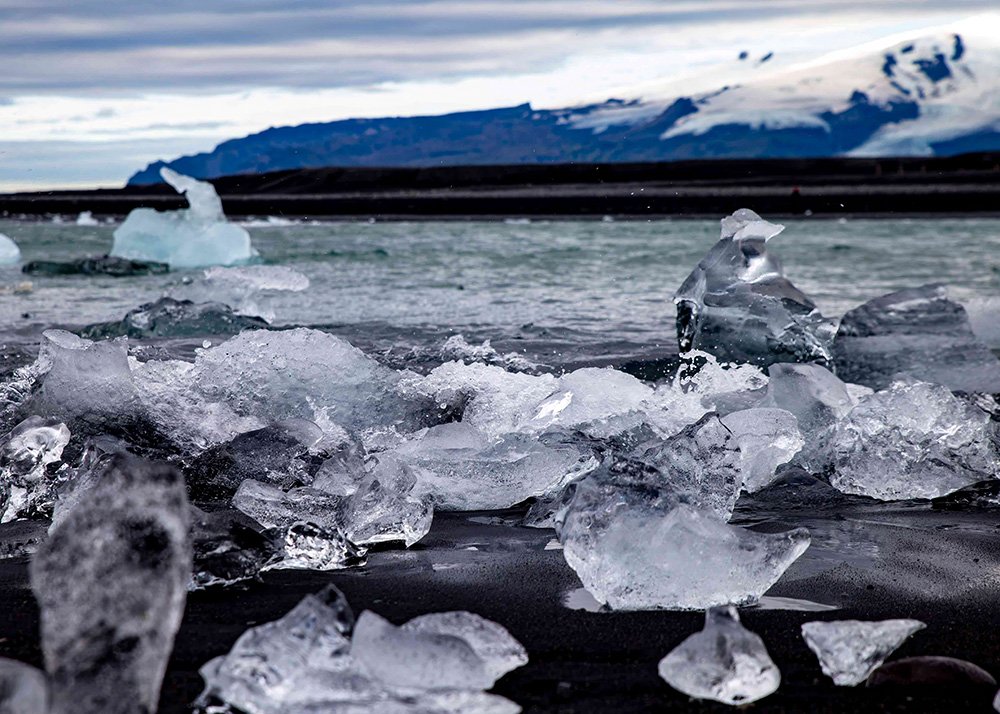
Diamond Beach, near Jökulsárlón Glacier Lagoon, is scattered with sparkling ice chunks that glisten against the dark sands. A surreal sight you won’t see anywhere else!
The beach got its name from the ice chunks resembling diamonds.
The amount of ice chunks can’t be predicted. They’re always there, but on some days you’ll find mostly large chunks of ice and on others it a perfect mix of smaller and large pieces.
19. The Gulf Stream warms Iceland’s coastline
Iceland’s coastline enjoys a milder climate, thanks to the tempering influence of the Gulf Stream.
This ocean current transports warm waters from the Gulf of Mexico to Iceland’s shores, making the coastal regions more habitable and adding to the island’s appeal as a travel destination.
20. Reykjavik is the most northern capital city in the world
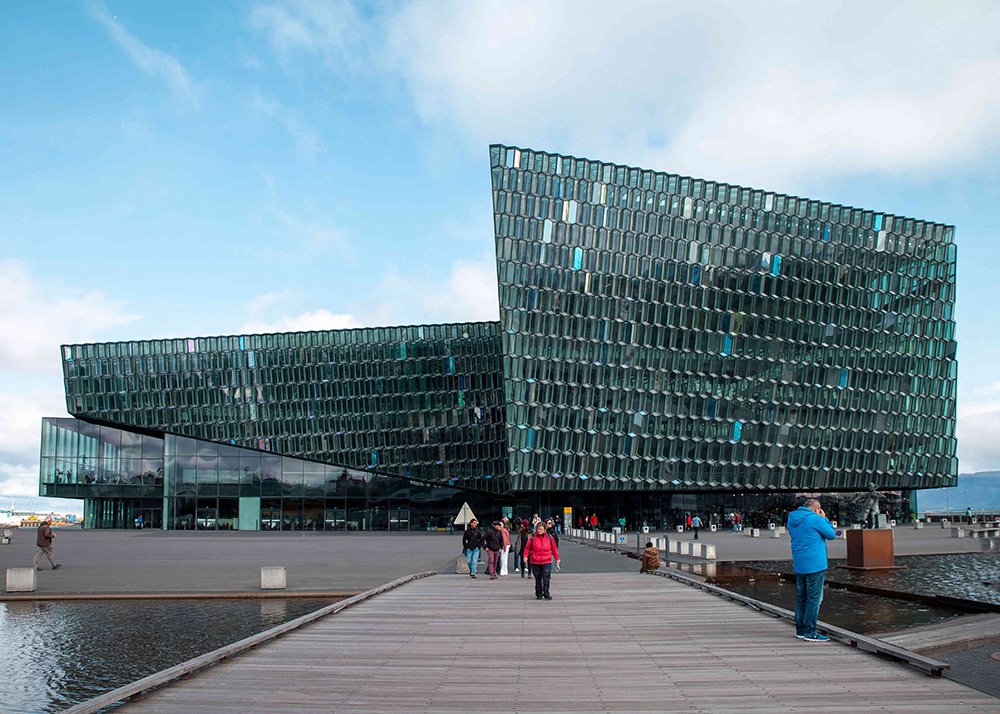
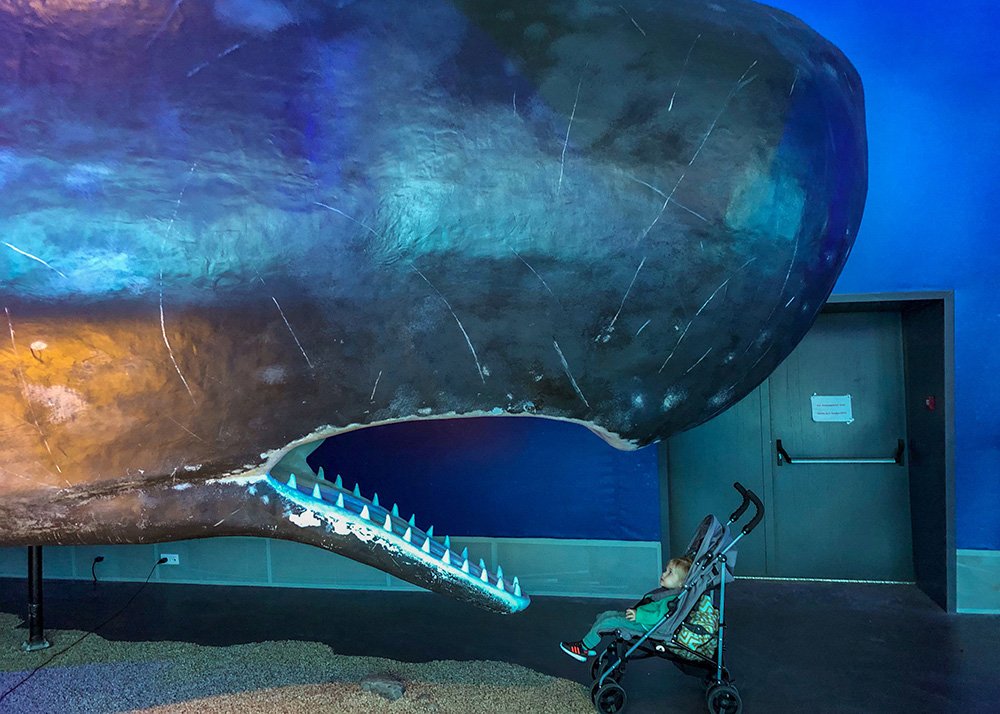
Have you ever wondered where the most northern capital city in the world is? Now you’ve got your answer: it’s Reykjavik!
This city is located just under the Arctic Circle.
There are lots of great things to do in Reykjavik with kids. Reykjavik is famous for its colourful buildings, lively arts scene, and whale-watching opportunities.
There are also some fantastic museums to explore, including the National Museum of Iceland and the Reykjavík Art Museum. So start planning your trip to Reykjavik.
Did you know it also has another claim to fame? Reykjavik is the proud host of the Miss World competition! Every year, contestants from all over the world come together in Reykjavik to compete for this prestigious title.
But that’s not all. Reykjavik’s reputation as a gateway to Iceland’s natural wonders is another big draw. The city offers easy access to some of the country’s top attractions, like the Golden Circle and the Blue Lagoon, and opportunities to see the Northern Lights during winter.
21. Iceland loves to celebrate the Yule Lads
Christmas in Iceland is a bit different from the rest of the world because they have not one, but thirteen Santa-like figures called the Yule Lads!
Each Yule Lad has a unique personality, and they’re known for being a bit mischievous. They come to visit one by one, starting thirteen days before Christmas Eve, leaving small treats or sometimes even pranks for kids.
Their names are super funny too, like Spoon-Licker and Sausage-Swiper. It’s like having thirteen surprises to look forward to every holiday season!
22. Iceland is crazy about hot dogs
Believe it or not, Icelandic people absolutely love hot dogs, or as they call them, “pylsur”! Icelandic hot dogs are special because they’re made from a mix of beef, lamb, and pork, giving them a unique flavor.
One of the most famous places to get a hot dog in Iceland is called Bæjarins Beztu Pylsur, which means “The Best Hot Dogs in Town.”
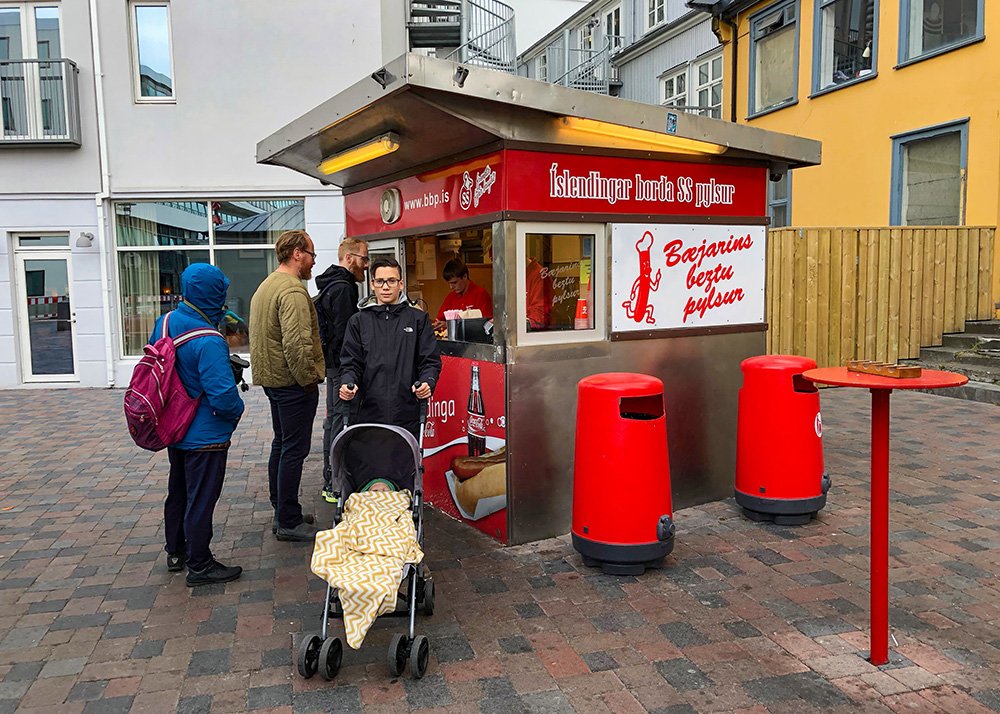
Even former U.S. President Bill Clinton had a taste! These hot dogs are served with crispy fried onions, sweet mustard, and a special sauce. Delicious!
23. There are no mosquitoes in Iceland
Mosquitoes might be a pest everywhere else, but in Iceland, you won’t find a single one. It’s true, there are no mosquitoes in Iceland, which means you can enjoy your time exploring without any itchy bites!
Scientists think the cold temperatures and unique environment make it impossible for mosquitoes to survive.
So, if you want a mosquito-free adventure, Iceland is the place to be. No need to pack that bug spray!
24. But they do have a midge lake
Don’t think that you can escape all annoying bugs though. Lake Mývatn is known to be the home to 2 types of midge, both about the size of a mosquito. Lake Mývatn is often referred to as Midge Lake.B
One is the lake midge. It doesn’t sting or bite, but can be very annoying, because for some reason they love to swarm in your face.
The second is the black fly. This one does sting to get to your blood. The sting feels the same as a mosquito bite.
You don’t have to try mosquito spray or DEET to scare them off. Believe me, it won’t work.
25. Dogs were once banned in Reykjavik National Park
It all began when a National Park was set up in the city, and dogs were not allowed to enter. This created a stir among dog owners.
Thankfully, after much debate and discussion, an agreement was reached, and now dogs are allowed back in Reykjavík’s National Park!
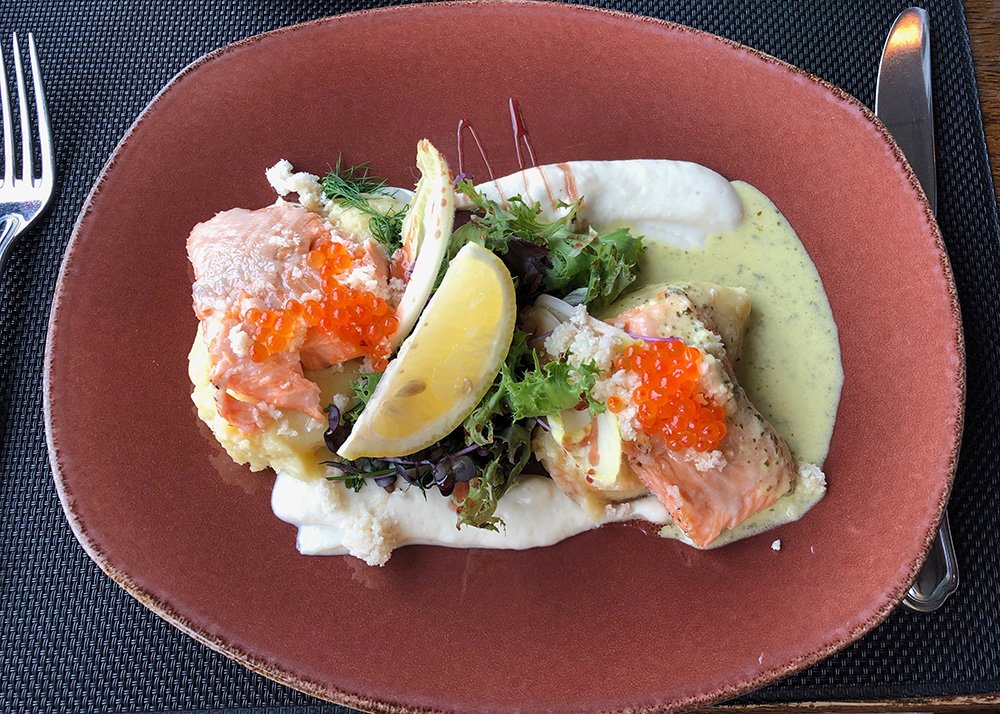
26. Iceland is one of the world’s leading exporters of seafood
Iceland is one of the world’s leading exporters of seafood. Fishing is one of Iceland’s backbone industries and has been a way of life for centuries. The sea surrounding Iceland is home to a huge variety of fish, including cod, haddock, and mackerel.
27. Iceland is considered one of the safest countries in the world
For years Iceland has been considered to be one of the safest countries in the world.
According to the Global Peace Index 2025 Iceland is the safest country in the world. This was the 15th year in a row for Iceland.
28. People speak Icelandic
The official language of Iceland is Icelandic. English is spoken widely in Iceland and is the second language.
29. Iceland is one of the least populous countries in the world
Iceland has a population of approximately 358,780, making it one of the least populous countries in Europe. This is due to its small size, low birth rate, and high emigration rate.
As a result of its isolation, there are also fewer opportunities for people to move to Iceland. Therefore, its population is low compared to other European countries.
30. Iceland uses geothermal energy for electricity
Iceland is at the forefront of green energy technology, using its readily available geothermal sources to generate electricity.
31. Iceland’s national sport is handball
Did you know that Iceland’s favorite sport isn’t soccer or basketball, but handball?
Handball is a fast-paced game played indoors, and Iceland is really good at it. They’ve even made it to the Olympics!
Imagine a mix of soccer, basketball, and a little bit of dodgeball, and you’ll get handball.
It’s a game full of excitement, where players try to throw a ball into the other team’s goal. If you’re in Iceland, you might get to watch a match and see the crowd go wild for their favorite teams.
32. Icelanders love a good story
Icelanders have been amazing storytellers for centuries. Long ago, they told exciting tales called sagas, which were all about brave heroes, fierce battles, and tricky magic.
These stories are still famous today, and you can even read some of them in books.
There are also lots of festivals in Iceland where people gather to tell stories or listen to old folktales.
Icelandic kids grow up hearing about legendary warriors and magical creatures. It’s like living in a world full of myths and adventures!

33. Iceland has both a Golden Circle and a Diamond Circle
Iceland is so magical, it has both a Golden Circle and a Diamond Circle for you to explore!
The Golden Circle is the most famous route, located near Reykjavik, and it’s perfect for families.
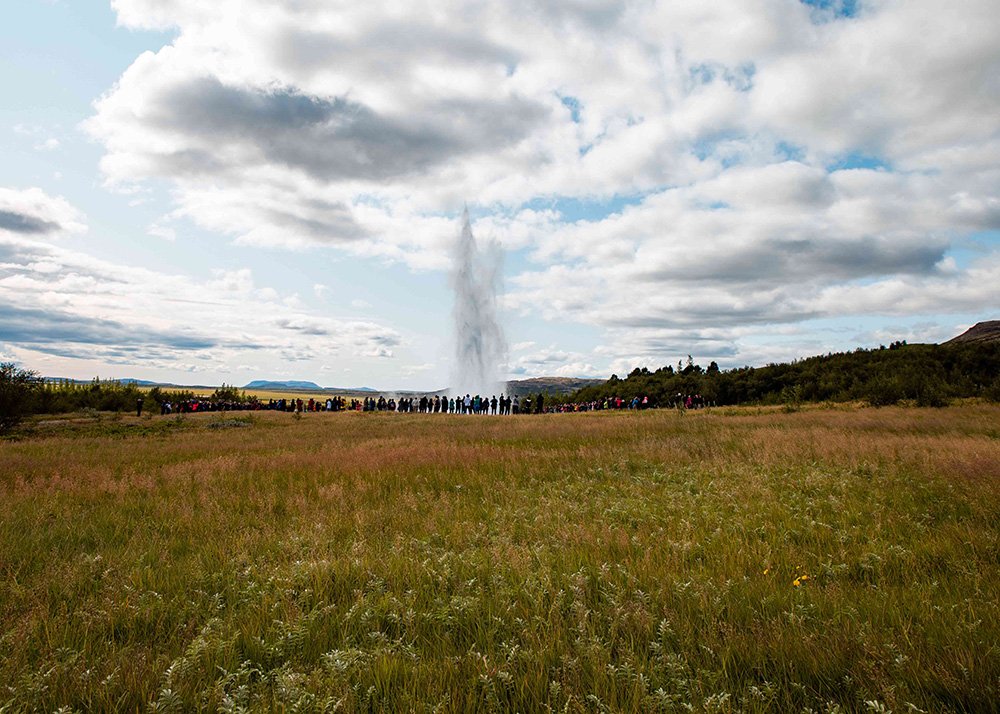
You can visit Þingvellir National Park, where you can walk between two tectonic plates, see the powerful Strokkur geyser shoot boiling water into the air, and admire the stunning Gullfoss waterfall—like a rainbow-filled natural wonder.
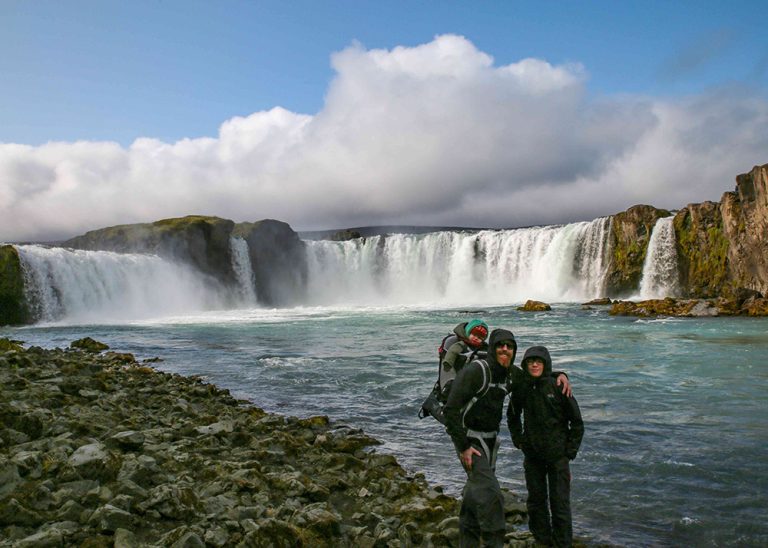
The Diamond Circle is in the north of Iceland, and it’s full of incredible adventures too! Check out the amazing Goðafoss waterfall (the “Waterfall of the Gods”), explore the beautiful Lake Mývatn with its bubbling mud pools, and check out Ásbyrgi Canyon, which looks like a giant horseshoe.
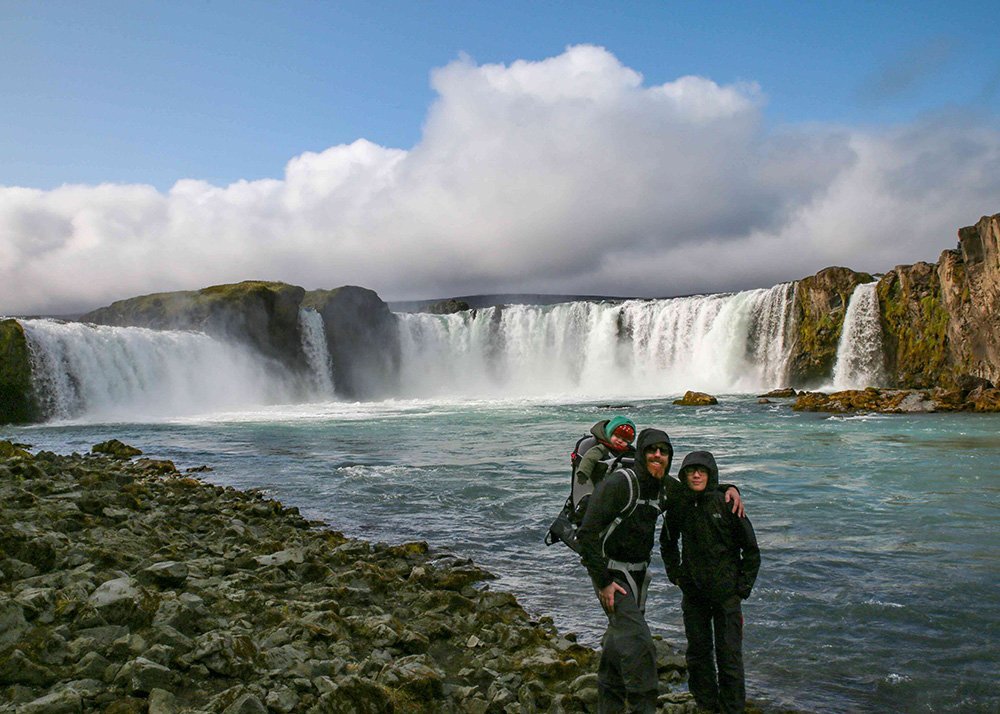
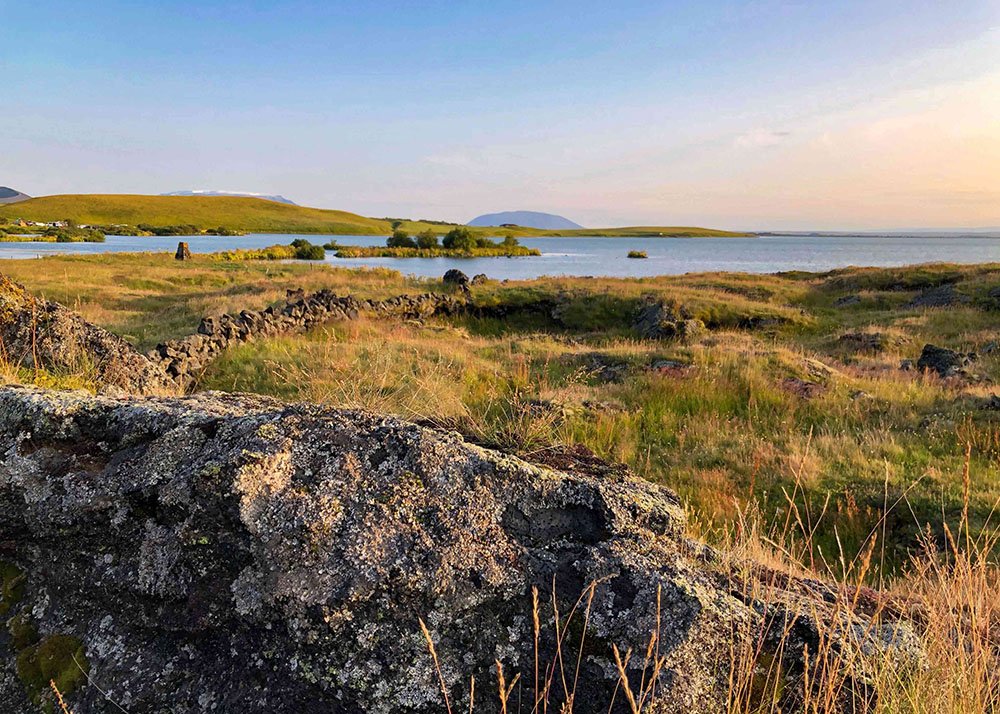
Both circles offer amazing sights that sparkle like treasures, perfect for a family road trip filled with wonders!
34. Icelanders have unique names
Icelanders have a very special way of naming themselves. Most people don’t have family last names like Smith or Johnson.
Instead, their last names come from their father’s or mother’s first name! If your dad’s name is Jón, and you’re a boy, your last name would be Jónsson, meaning “Jón’s son.”
If you’re a girl, your last name would be Jónsdóttir, meaning “Jón’s daughter.” It’s a tradition that keeps family history alive in a cool way!
35. Iceland loves reading – A LOT!
Iceland is a paradise for book lovers. It has more books published per person than almost anywhere else in the world!
There’s even a special tradition called “Jólabókaflóð,” which means “The Christmas Book Flood.”
Every Christmas Eve, Icelandic families exchange books as gifts and spend the evening reading together while enjoying hot chocolate.
It’s a cozy and wonderful way to celebrate the holidays. If you love reading, Iceland might just be your dream destination!
36. Iceland has waterfalls everywhere you look
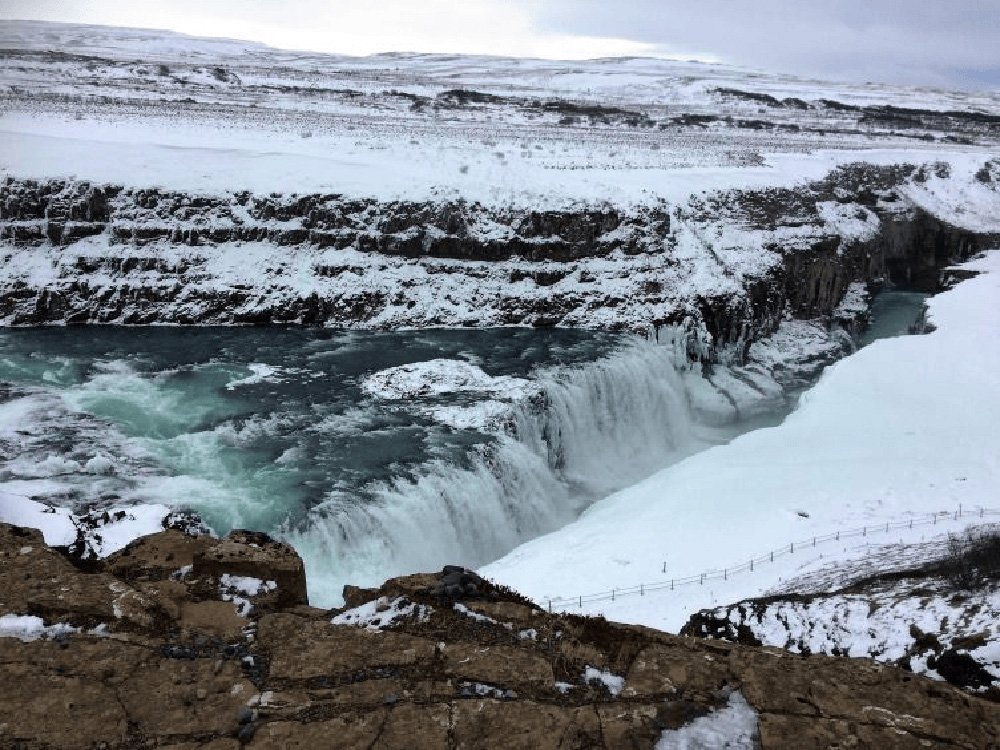
Iceland is like a waterfall wonderland. There are over 10,000 waterfalls across the country!
Some are huge, like Gullfoss, which crashes down in two powerful steps, while others are smaller but just as beautiful, hidden in green valleys or flowing over cliffs.
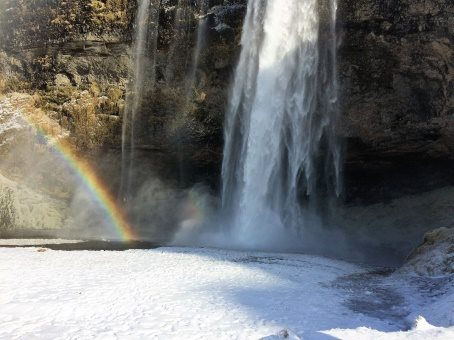
One of the most famous is Seljalandsfoss, where you can even walk behind the curtain of water for a truly magical view.
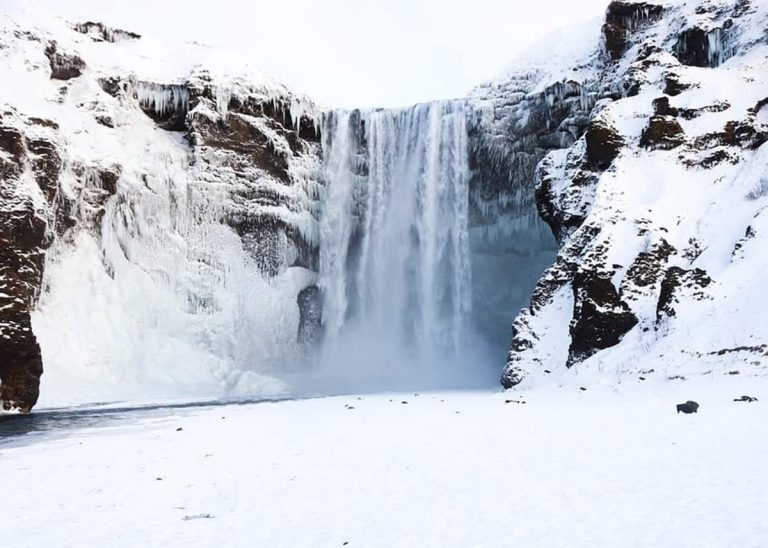
There’s also Skógafoss, which is so big that on sunny days, you can see a rainbow forming in the mist.
Whether big or small, beautiful waterfalls that kids will love are everywhere, making Iceland a place where every turn on your trip might reveal a new sparkling cascade!
37. Iceland was the birthplace of one of the first parliaments
Iceland already had a functioning parliament in the year 930. Much of the was still developing its modern civilisations.
Only Persia (now Iran) was known to have a parliament before Iceland.
38. Iceland is the 2nd largest island in Europe
The UK is the biggest European island, Iceland comes second.
39. Only 20% of Iceland is inhabited
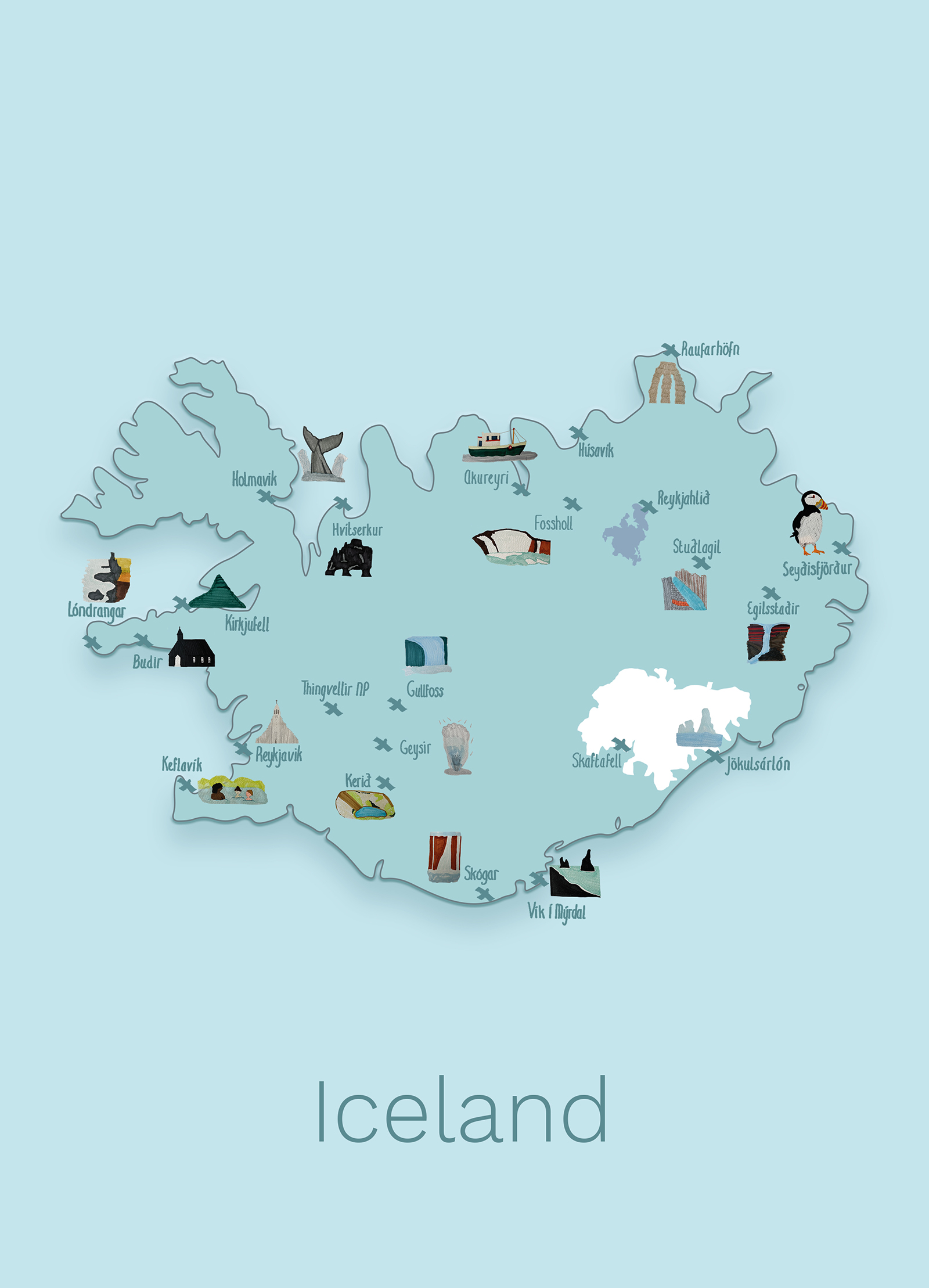
About 80% of Iceland is not inhabited. Most of the people live in the capital city region and along the southwestern coastline.
Conclusion
I hope you and your kids got to know Iceland a bit better. And that you had fun reading 39 Iceland fun facts for kids.
Did you enjoy this list of fun facts about Iceland for kids?
If so, read more about Iceland family travel:
- Epic 3-Week Iceland Family Road Trip Itinerary (+ Shorter Routes If You’re Short On Time)
- Iceland’s Golden Circle with Kids
- Iceland’s Diamond Circle with Kids
- Iceland in October with Kids: Things to Do & Things to Know Before You Go
- Planning a Family Trip to Reykjavik: Things to Know Before You Go
- 24 Best Things to Do In Reykjavik with Kids
- 39 Iceland Fun Facts for Kids
- 10 Best Waterfalls in Iceland with Family: The Beautiful Ones You Shouldn’t Skip
- Best hotels in Iceland for Northern Lights for families
Pin for Later
Other Iceland Family Travel Posts