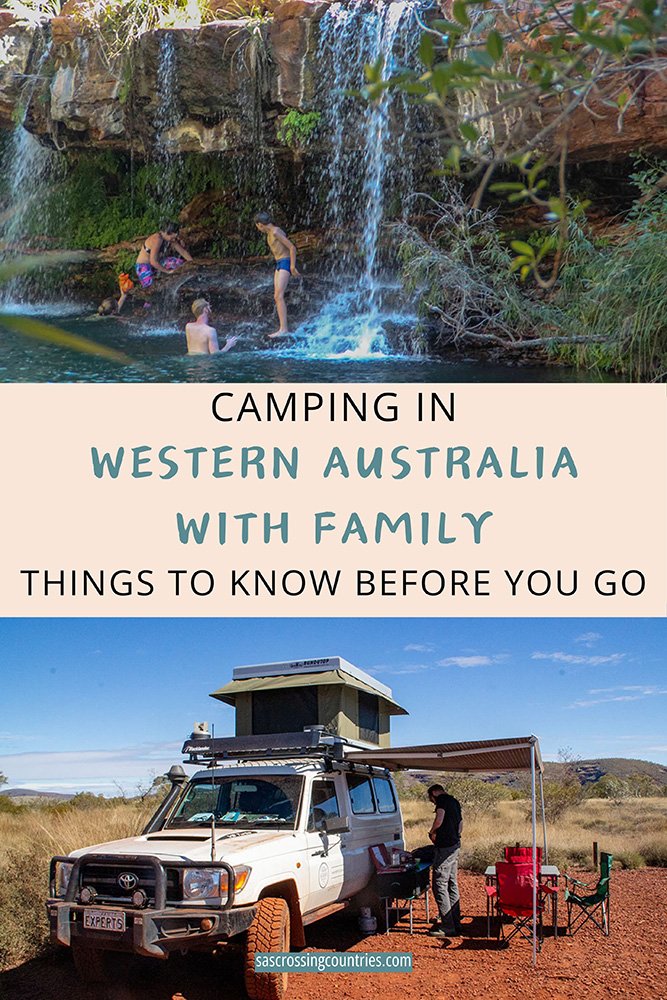
Camping in Western Australia with Family: Things to Know Before You Go

Western Australia is an amazing destination for a family road trip. And what better way to road trip than by campervan, caravan or with a tent to make the most of your time in nature.
Camping in Western Australia with family is amazing. But there are some things you should know before you go.
During our stays in Western Australia with kids we always opted to go camping. And we learned a lot about the do’s and don’ts.
Let’s share all the things to know before you go camping in WA with family.
No time to read?
Save on Pinterest and read this article later!

Camping with kids in Western Australia
The list of family friendly destinations in Australia is endless, but one must see region is definitely Western Australia. Ideal for a camping trip. There are hundreds of campsites and caravan parks all over WA. Before you book you should do some research and I’m here to help.
Some things to know are if the campsites you want to stay at are suitable for your vehicle. Some are only accessible with a 4WD. If you bring a pet, it’s important to know if the campgrounds of your choice allow them.
And how about the difference between a powered and an unpowered site. When do you need power? Or can you bring a generator?
We’ll dive into all these topics and more, right now!

Can you camp anywhere in Western Australia?
There are so many great campsites in WA for families. In Western Australia, camping is popular and accessible, but there are specific rules about where you can and can’t camp.
National Parks and Reserves
Many national parks and conservation areas have designated camping sites, and camping outside of these areas is not permitted. These campsites often require permits or fees, so checking availability and booking in advance is wise, especially during peak seasons.
Public Land and Roadside Camping
Free camping or “freedom camping” is generally restricted. Camping is not allowed on roadsides, rest stops, or public land near towns. However, some designated areas (often near rest areas or pull-offs) do permit short overnight stays.
Private Land
Camping on private property is allowed only with the landowner’s permission. Some private properties offer camping for a fee, often with minimal facilities.
Caravan Parks and Designated Campgrounds
Western Australia has many caravan parks and established campgrounds with facilities for campers. These range from basic to fully serviced parks with amenities like showers, toilets, and kitchens.
Camping on Beaches
While some beach areas allow camping, most do not, particularly near populated or environmentally sensitive areas. Specific locations like Dirk Hartog Island or parts of the Ningaloo Coast have permitted camping sites but often require booking or permits.
For the best experience, consult resources like the Department of Parks and Wildlife WA or apps that list legal campsites in WA, like WikiCamps Australia.
WikiCamps Australia is widely used for locating campgrounds, caravan parks, free campsites, and points of interest across Australia. It’s a paid app but is known for its detailed and regularly updated content, especially useful for exploring WA’s vast and remote regions.


Is it safe to camp with kids in Western Australia?
Yes, camping with kids in Western Australia can be very safe, provided you take some precautions and prepare well.
Choose Established Campgrounds
For families, it’s often best to stick to designated campsites, especially within national parks or caravan parks, where there are basic facilities, secure locations, and other campers around.
Mostly because of the wildlife you might encounter, like dingos, snakes and spiders.
Wildlife Awareness
More about animals in WA. When planning a family trip to WA you must be aware you can run into all sorts of wildlife.
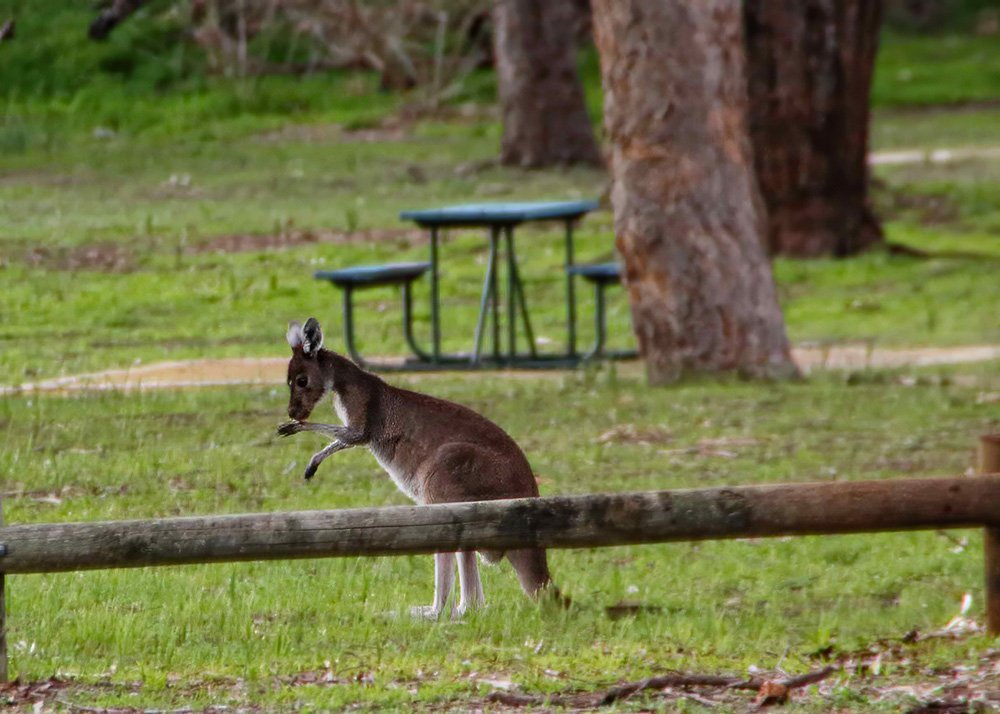
WA has diverse wildlife, including kangaroos, snakes, and insects. Keep food securely stored, supervise young children, and teach them to be mindful of animals. Wearing enclosed shoes and checking bedding and shoes for small creatures is also good practice.
And lastly, always keep your vehicle closed and tents zipped up.
When booking a camper, caravan or when buying a tent make sure that it has screen mesh for the windows and doors so you can keep cool, but also safe.
First Aid Kit and Supplies
A first aid kit is essential, particularly in remote areas. Be sure it includes bandages, antiseptics, and items to treat insect bites or stings. It’s also a good idea to carry enough food, water, and basic supplies in case of unexpected delays.

Sun and Heat Protection
WA can get extremely hot, even in coastal areas. Bring sunscreen, hats, lightweight long-sleeve clothing, and plenty of water. Ensure kids stay hydrated, especially during hikes or outdoor activities.
Fire Safety
Campfires may be allowed in some areas but always check local fire restrictions, as WA is prone to bushfires. Only make fires in designated spots and never leave them unattended.
Water Safety
If camping near water bodies (rivers, lakes, or beaches), supervise children closely and be aware of any local hazards like strong currents or tides.
Stay Connected
In remote areas, mobile coverage can be limited. Consider bringing a satellite phone, GPS, or notifying someone of your itinerary if you’re going off-grid.
2WD or 4WD accessible campgrounds
Not all campsites are accessible for 2wd cars or campers. Some of them are only reachable if you have a 4wd.
That will give you more freedom to camp out off the beaten track. You can sleep in the bush, next to the ocean and at the more remote campsites in National Parks. Back to basics with only the well known camping showers (aka cleaning yourself with baby wipes).
But it won’t matter if your road trip through Western Australia isn’t done by 4wd, because there are dozens of incredible campsites accessible to all types of cars.
You just have to do your research if you opt for a 2wd vehicle. We really wanted to spend the night on beaches and stay in Purnululu NP. That’s why we chose a 4WD. But in the end it depends on what you want to see and do while you’re in WA.
National Park Pass
If you want to stay in more than one National Park I highly recommend purchasing a Park Pass for the parks in WA.
It saves you from the hassle of having to purchase separate tickets at every NP and it’s also cheaper. You can buy it from the website of The Department of Biodiversity, Conservation and Attractions (DBCA), print it out and display it visibly in your vehicle.
Depending on how long you’re staying and how many NP’s you’re visiting you can choose the best card for you and your family. Some of the best places to visit in Western Australia with kids are NP’s like Karijini, Purnululu and Kalbarri.
If you’re staying in a National Park overnight you’ll have to drop off a fee in one of the letter boxes at the entrance of the parks or at their visitors center, if there is one.
Clean water on the road
You can safely drink the tap water in most towns and cities in Australia. But there are also a lot of places where you can’t get drinking water, like some campsites. While outdoors or on the road you can avoid buying plastic water bottles when you bring a LARQ bottle. UV-light cleans the water in the bottle and also cleans the bottle itself after you’ve used it. Get your own LARQ bottle and always feel safe drinking water from taps all over the world. We never go anywhere without it. Check out our Larq bottle review if you want to find out more.
Mix up caravan parks and stays in nature
Camping with kids can be tough, but if you mix it up enough for everyone to enjoy, it’s surely rewarding.
We advise you all to switch it up to keep it fun for every member of your family. Your kids will want to play with peers and that’s when it’s time to hit up one of the family campsites on this list.
But after a long hike with kids, whom may or may not have been walking just a tad too long, it’s surely convenient to have your mobile home right in the heart or at the edge of the park you were hiking in.
And what about some quiet family time? Isn’t it great to stay at a beach, just you and your family?
Our tip? Mix it up! Stay at a caravan park where your kids can play with other children for a few nights and the next spot will be in a National Park without a playground, WiFi or hot shower.
This way everyone gets their fix.


Do I need a powered site for my campervan?
When looking for a camping spot you can often opt between a powered and an unpowered site.
The primary difference between a powered and unpowered site at a campground is access to electricity:
A powered campsite includes an electrical hookup, allowing campers to plug in equipment like lights, fridges, fans, or phone chargers.
These sites are especially popular with caravans, RVs, or tents that have appliances and amenities requiring electricity. Powered sites typically cost more than unpowered ones due to the added utility.
An unpowered campsite doesn’t provide electricity, so you’ll rely on battery-powered or solar devices, making it ideal for simpler setups or those looking for a more rustic camping experience. They are often quieter since there is less electronic equipment, and they’re usually less expensive than powered sites.
Bringing a generator
Campers often bring generators when camping in Western Australia with family. Primarily for reliable power in remote areas without access to electricity.
Many of WA’s beautiful camping spots, such as in national parks, outback areas, or secluded beaches, lack powered sites. Generators provide an independent power source to run essential equipment in these off-grid spots.
A generator can also be useful if there are only unpowered sites available at a campground. While useful, it’s worth noting that some campgrounds have noise restrictions or designated areas for generator use, so campers should always check local rules and be considerate of others.
Do you need to book campsites in WA beforehand?
In Western Australia, it’s generally a good idea to book campsites in advance, especially for popular locations, high seasons, and sites with limited spots or facilities.
National Parks
Many national parks, like Karijini, Cape Range, and Yanchep, require pre-booking through the WA Parks and Wildlife Service website. These popular spots can fill up quickly, especially in school holidays, long weekends, and the cooler months (April to September).
Caravan Parks and Coastal Sites
Coastal areas, including popular destinations like Margaret River, Broome, and Esperance, have campgrounds and caravan parks that tend to book out well in advance during peak times. Booking early is recommended, especially if you want a powered site.
Holiday Seasons and Long Weekends
For long weekends, school holidays, and public holidays, campsite demand is high, so booking early helps secure a spot. In some cases, sites can be fully booked several months in advance.
First-Come, First-Served Sites
Some campgrounds, especially in remote areas or less popular locations, operate on a first-come, first-served basis. However, arriving early in the day can improve your chances of getting a spot.
Booking ahead not only ensures a spot but also provides peace of mind, allowing you to focus on enjoying the beautiful landscapes and outdoor experiences WA has to offer.

Be prepared for anything
The vastness of Western Australia means you have to be able to help yourself when something happens, because it can take a long time before help is on the way.
We already discussed bringing first aid kits and sun protection. But you also have to be prepared in different ways.
Stock up on petrol
Always make sure you have a spare petrol vat with you and that you fill up your tank at every petrol station you run into. You never know how long it will take before you run into the next station.
Vehicle breakdowns
Always make sure you have a spare tyre with you and the tools and knowledge to change a tyre.
Bringing a basic tool kit with pliers, screwdrivers an wrench set and adjustable spanners is also a great idea. If your car needs a minor fix on the road, you have the tools to fix it yourself.
A shovel is also great in case your 4wd gets stuck in the sand or mud.
And lastly an emergency beacon or satellite phone will come in handy if you need to call for help in remote areas. Most rental companies offer either one of these. Check this, before booking a vehicle.
Water and food
If, in the worst case, your vehicle breaks down or you’ve run out of petrol you have to call for help. In remote areas it could take hours before help arrives.
Always make sure you bring more than enough drinking water and food to last for a few days.
Get travel insurance
Get travel insurance if you don’t already have it and check if all your children are part of your insurance policy. If all is well, take a look at your coverage.
Is Australia part of the coverage? Are you planning on doing activities that might be excluded?
And what if a member of the family gets ill or a next of kin dies and you need to get home asap, is that all covered appropriately?
In other words, check what can be claimed back and what is excluded. If you’re not happy with your coverage you can switch in time for your trip.
FAQ
No time to read this post? Save it for later and check out the answers to the most important and frequently asked questions below.
What are the best campsites in Western Australia with kids?
Read my post about the 25 best family friendly campsites in WA.
Can you park a campervan anywhere in Western Australia?
No, you can’t just park a campervan or any vehicle overnight anywhere in Western Australia.
Many areas, especially in cities, towns, and near popular tourist spots, have restrictions or “No Camping” signs to prevent overnight stays.
Is wild camping legal in Western Australia?
Wild camping or freedom camping is illegal in Western Australia, unless you’re on private property with permission.
WA has strict rules to protect its beautiful landscapes and prevent overcrowding in sensitive areas.
You’ll find plenty of official campgrounds that offer a similar wilderness vibe, often near stunning landscapes or beaches. These spots typically have some basic amenities, are affordable, and offer a safer, more responsible camping experience.
Can you sleep on the beach in Western Australia?
Unless you see a sign at a beach stating that you can sleep on the beach, it’s illegal to do so.
While it sounds dreamy to fall asleep under the stars with waves crashing nearby, beaches are often regulated by local councils with strict rules against overnight stays.
If you’re keen to camp near the beach, look for designated beachside campsites or caravan parks. This way, you get the beach vibe without risking a fine or disturbing the local ecosystem.
Are there free campsites in Western Australia?
Yes, there are definitely free campsites in WA, though they’re usually more basic in terms of amenities!
You’ll find many of these in more rural or remote areas, and they’re a great way to enjoy WA’s natural beauty without spending a dime.
Ready to create your Western Australia family road trip itinerary
There’s no better way to explore WA than road tripping. I hope this camping in WA with family guide helped answer all your questions.
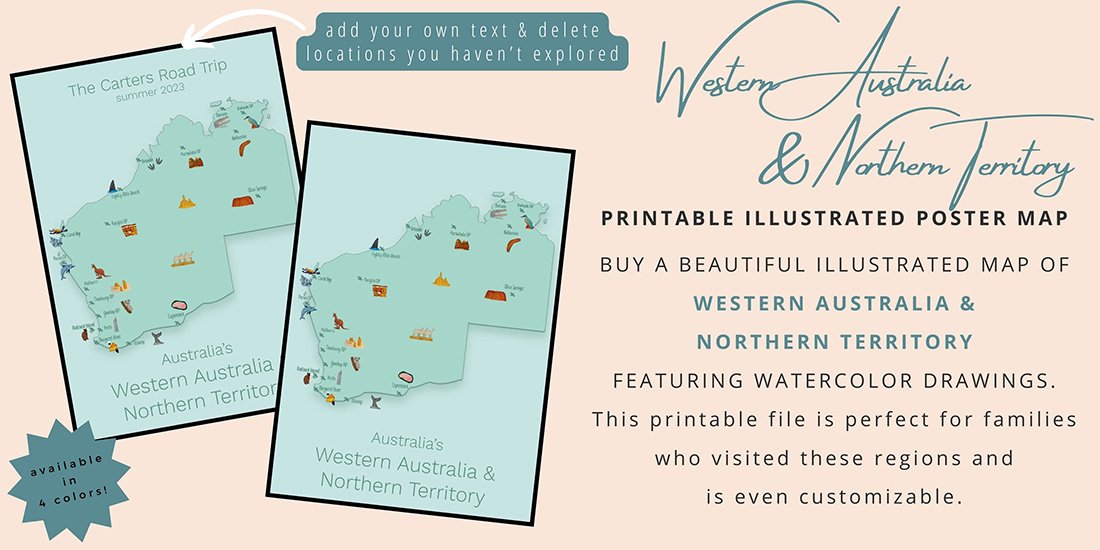
If you’re ready to craft your family’s ultimate WA road trip itinerary check out the best destinations in WA to visit with kids. Or check out the ultimate Perth to Darwin family road trip itinerary if you want to combine a trip to Western Australia with Northern Territory.
Did you enjoy this guide to family camping in WA?
If so, read more about Australia Family Travel:
- 21 Best Places to Visit In Australia with Kids
- Ultimate Perth to Darwin Road Trip Itinerary for families
- Planning a Family Trip to Western Australia: Things to Know Before You Go
- 25 Best Places to Visit In Western Australia with Kids
- Camping in Western Australia with Family: Things to Know Before You Go
- 25 Best Campsites in Western Australia with Kids
- 16 Best Things to Do In Sydney with Kids
- 16 Best Things to Do In Melbourne with Kids
- 12 Best Things to Do In Kakadu NP with Kids
Pin for Later